English
 Arabic
 Chinese (Simplified)
 Czech
Czech Danish
 Dutch
Dutch French
  Georgian
  German
  Greek
Greek Italian
 Japanese
  Korean
 Latin
Latin  Persian
  Polish
  Portuguese
 Russian
 Spanish
 Turkish
Glacier Trekking Adventures on the Ice: Discover Pakistan’s Epic Glacier Hikes
Tours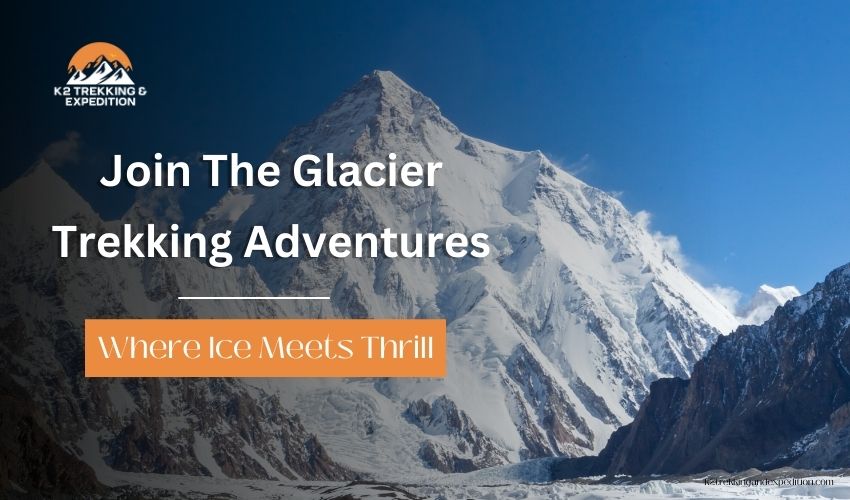
Table of Contents
Introduction to Glacier Trekking in the Karakoram Range
What Glacier Trekking Involves
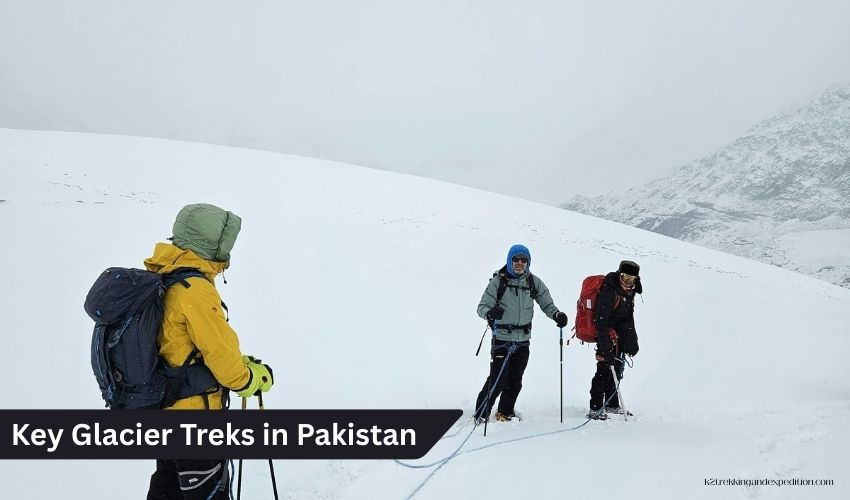
Glacier trekking means walking across huge ice fields with care, blending hiking and mountaineering skills. Trekkers strap crampons onto hiking boots for grip, carry ice axes for balance and rope up in teams to cross crevasses safely. In northern Pakistan, the Karakoram glaciers provide some of the longest and most accessible ice outside polar regions. Glacier hiking here involves crossing meltwater streams, stepping over glacial moraines and using climbing harnesses for crevasse rescue. Experienced guides from K2 Trekking and Expedition lead the way, teaching basic glacial travel techniques and how to avoid seracs or hidden dangers.
Trekkers often traverse black glaciers covered in rock debris and spend hours walking on the ice. Paths begin in valleys like Hunza Valley or Baltistan, crossing suspension bridges over rivers such as the Hunza River or Gilgit River before reaching the glacier edges. Full-day or multi-day glacier trek Pakistan adventures suit hikers with some fitness and prior trail experience. The mix of dirt trails and ice sections offers stunning views of towering peaks, making every glacier adventure feel raw, remote and truly rewarding.
Appeal of Glacier Hiking in Pakistan
Pakistan’s Karakoram glaciers hold the world’s largest non-polar ice concentration, making glacier treks here massive and beautiful. Options range from easy day trips like Passu glacier trek (with iconic Passu Cones) to epic routes such as Baltoro glacier trekking to K2 base camp, Biafo, Hispar and Snow Lake glacier trek. These Pakistan glacier treks combine raw adventure, stunning scenery and local culture.
Trekkers walk through Passu Valley or Ghulkin villages, follow the Karakoram Highway to trailheads near Borith Lake and spot wildlife and ancient petroglyphs. Many choose K2 Trekking and Expedition for reliable support. Melting ice forms serene lagoons amid rugged hikes. Northern Pakistan’s accessible glaciers suit both beginners (full-day hikes) and experienced trekkers (multi-day journeys).
The thrill is crossing the glacier—feeling its vast isolation on Baltoro or Batura Glacier, gripping ice with crampons and enjoying sweeping views of Gasherbrum and Trango Towers. From short Passu loops to long Baltoro glacier trekking paths, Pakistan offers glacier hikes for every level.
Why K2 Trekking and Expedition Leads Glacier Trek Adventures
Expertise in Karakoram Glacier Treks
K2 Trekking and Expedition brings years of knowledge to glacier trekking in the Karakoram. Their teams know every twist of routes like Baltoro glacier trekking and Passu glacier trek. They handle logistics from permits to transport along the Karakoram Highway. Guides from local areas like Baltistan or Hunza Valley share insights on glacial changes and safe paths. This expertise helps trekkers avoid common pitfalls in high-altitude zones. They plan for weather patterns that affect ice conditions and meltwater flows. K2 Trekking and Expedition focuses on small groups for better attention during glacier hike segments.
Their background in mountaineering extends to glacier adventure planning. They cover details like crevasse navigation and serac awareness. Trekkers get briefings on using crampons and climbing harnesses before starting. This preparation makes Pakistan glacier treks smoother and more enjoyable. K2 Trekking and Expedition stands out by adapting to each group’s pace and skill level.
Support for Safe Glacier Hikes
Safety remains a top priority for K2 Trekking and Expedition in all glacier trekking activities. They provide experienced guides trained in crevasse rescue and first aid for high-altitude issues. Each trek includes satellite phones and emergency kits for remote areas. Porters carry heavy loads so hikers focus on the trail. Weather checks happen daily to adjust plans for safe crossing the glacier. K2 Trekking and Expedition ensures all participants have proper hiking boots and crampons fitted well.
Their support extends to environmental practices during glacier travel. They promote leave-no-trace rules to protect Karakoram glaciers from harm. Trekkers learn about glacial conservation and avoid sensitive areas. K2 Trekking and Expedition arranges acclimatization days in valleys to reduce altitude risks. This approach makes glacier hike experiences reliable and worry-free. Full-day or multi-day trips come with backup plans for unexpected changes.
K2 Trekking and Expedition also offers gear rentals and pre-trek advice. They guide on nutrition and hydration for energy on ice. Their track record shows successful trips across Baltoro glacier trekking and other routes. Choosing them means peace of mind in northern Pakistan’s wild terrains.
Key Glacier Treks in Pakistan
Passu Glacier Trek Routes
Passu glacier trek offers varied paths for different skill levels in northern Pakistan. One route starts from Passu village and follows a dirt track to the glacier’s edge. Hikers cross the Hunza River via a suspension bridge and climb to viewpoints overlooking the ice. This lower path covers about 8 kilometers round trip and suits day trippers. The upper route begins at Hussainabad and heads to Borith Lake first. From there trekkers go past an outdoor cafe to the first Passu glacier viewpoint. The trail then enters what locals call Death Valley with rocky scrambles and leads to a second viewpoint. This version spans 10 kilometers and provides closer looks at crevasses and meltwater channels.
Both routes highlight the Passu Cones and Karakoram peaks. Trekkers wear sturdy hiking boots for the mix of trails and ice. Crampons help on slippery sections near the glacier lagoon. Passu glacier trek remains popular for its accessibility from the Karakoram Highway. Many combine it with visits to nearby Ghulkin or Patundas for a fuller glacier adventure. The paths allow unroped walking in safer zones but require caution around seracs.
| Variation | Distance | Difficulty | Highlights |
|---|---|---|---|
| Lower Route | 8 km | Moderate | Hunza River crossing and glacier edge views |
| Upper Route | 10 km | Challenging | Borith Lake, Death Valley and multiple viewpoints |
Baltoro Glacier Trekking to K2 Base Camp
Baltoro glacier trekking ranks as one of the top Pakistan glacier treks for its epic scale. The journey starts from Askole village in Baltistan and follows the Braldu River upstream. Trekkers pass through rocky valleys and cross suspension bridges before entering the Baltoro Glacier. This massive ice flow stretches over 60 kilometers and features black glaciers covered in debris. The path leads to camps like Paiju and Urdukas with views of Trango Towers and Gasherbrum peaks. At Concordia the route meets other glaciers and offers a 360-degree panorama of giants like K2.
Reaching K2 base camp involves a day hike from Concordia across the Godwin-Austen Glacier. Hikers use crampons for the traverse and watch for crevasses. The multi-day trip lasts around 20 days including acclimatization and return. K2 Trekking and Expedition organizes these with porters and tents for comfort. The trek demands physical readiness for high-altitude walking and ice climbing basics. Meltwater streams add challenges but the scenery rewards every step.
Baltoro glacier trekking combines glacier hike with cultural stops in villages. Trekkers see ancient forts in Skardu before starting. The adventure on the ice builds to the base camp where mountaineering history comes alive. This glacier trek Pakistan option draws serious adventurers seeking raw beauty.
Biafo Glacier Trekking Paths
Biafo glacier trekking connects the Baltoro region with Nagar Valley over a long ice highway. The main path begins at Askole like the Baltoro route but branches onto the Biafo Glacier after a few days. This 70-kilometer glacier offers smooth sections for easier walking mixed with crevassed zones. Trekkers rope up for safety and use ice axes to probe ahead. The journey crosses to Hispar Glacier at the pass creating the world’s longest non-polar glacial traverse.
Paths include side trips to meadows like Namla for rest. Hikers encounter meltwater lakes and seracs along the way. Biafo glacier trekking suits those with prior experience in glacier travel. The full crossing takes 12 to 15 days with high camps at over 4,000 meters. Northern Pakistan’s remote feel shines here away from crowds.
Hispar Glacier Trekking Challenges
Hispar glacier trekking presents tough terrain in the Karakoram. Linked to Biafo it forms a continuous ice path over 100 kilometers. Starting from Hispar village the route climbs onto the glacier with steep moraine walls. Trekkers face deep crevasses and unstable seracs requiring skilled navigation. Crampons and climbing harnesses become essential for the traverse. The high pass at 5,150 meters tests endurance with thin air and cold winds.
Challenges include crossing meltwater rivers and handling rockfall in narrow valleys. Multi-day camps allow acclimatization but weather can turn quickly. Hispar glacier trekking rewards with views of peaks like Distaghil Sar. It appeals to experienced trekkers seeking a true glacier adventure in Pakistan.
The path demands team work for crevasse rescue drills. Hikers carry special equipment for overnight stays on ice. This glacier trek Pakistan route highlights the wild side of Karakoram glaciers.
Snow Lake Glacier Trek Options
Snow Lake glacier trek leads to a vast plateau at 4,800 meters in the Karakoram. Options start from Hispar or Biafo sides and converge at the lake. The area resembles a frozen sea with surrounding peaks. Trekkers walk on the ice for days crossing Biafo or Hispar glaciers first. Paths include ascents over passes like Lukpe Lawo.
One option combines with Hispar glacier trekking for a full traverse. Shorter versions focus on day hikes from base camps. Snow Lake glacier trek involves high-altitude camping and glacier hike skills. The open expanse allows unroped travel in flat areas but crevasses lurk nearby. This spot offers solitude and stunning sunrises over the ice.
Preparing for Glacier Trekking
Gear for Glacier Hikes
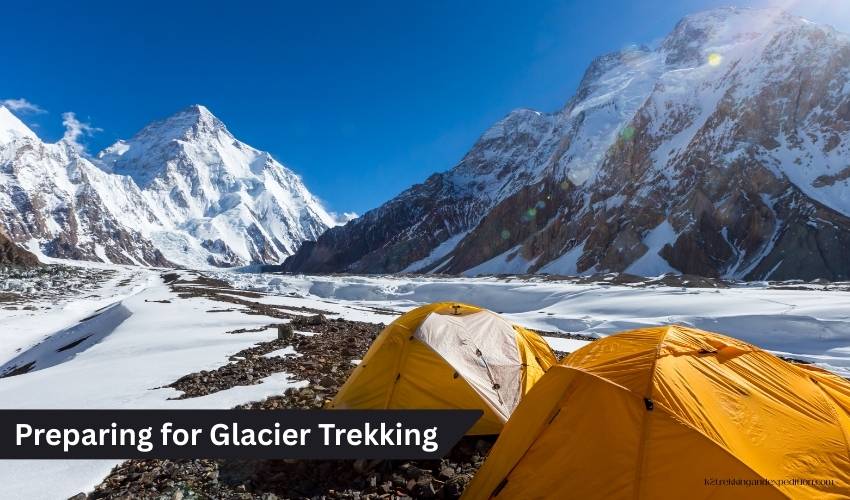
Gear selection plays a key role in successful glacier trekking. Start with sturdy hiking boots that fit crampons well for grip on ice. Layer clothing with waterproof jackets and thermal base layers for changing weather. An ice axe helps with balance and self-arrest on slopes. Climbing harness and ropes connect teams for crevasse safety. Helmets protect against falling rocks near moraines.
Backpacks should hold water bottles and snacks plus sunglasses for glare off the ice. Gloves keep hands warm during glacier travel. Trekking poles aid on uneven terrain before reaching the glacier. For multi-day trips sleeping bags rated for cold nights and tents are must-haves. K2 Trekking and Expedition provides checklists to cover all basics.
| Item | Purpose | Recommendations |
|---|---|---|
| Crampons | Grip on ice | Steel points for durability |
| Ice Axe | Balance and arrest | 50-70 cm length based on height |
| Climbing Harness | Rope attachment | Adjustable fit with gear loops |
| Hiking Boots | Foot protection | Waterproof with rigid soles |
| Ropes | Team linking | Dynamic type for shock absorption |
Physical Training for Glacier Travel
Training builds strength for glacier trekking demands. Focus on cardio exercises like running or cycling to boost endurance. Add hill walks with a backpack to mimic loaded hikes. Strength work on legs and core helps with crossing the glacier. Practice balance on uneven surfaces for ice sections.
Include altitude simulation if possible through high-elevation hikes. Stretch routines reduce injury risk during long days. Train for 4 to 6 weeks before a trip to handle high-altitude challenges. Consistent effort pays off in enjoying the adventure on the ice.
Best Seasons for Pakistan Glacier Treks
Summer months from June to September suit most Pakistan glacier treks. Clear skies and warmer temperatures make crossing the glacier easier. Snow melts enough to reveal paths but ice remains stable. Passu glacier trek shines in July with green valleys below. Baltoro glacier trekking sees peak activity in August for reliable weather.
Avoid winter due to heavy snow and cold blocking access. Spring brings unstable conditions with avalanches. Fall offers fewer crowds but shorter days. Check forecasts for Karakoram glaciers as monsoon edges can affect northern Pakistan. Plan around full-day sunlight for safe hikes.
Detailed Itinerary for Baltoro Glacier Trek to K2 Base Camp
The Baltoro glacier trekking route to K2 base camp follows a 20-day plan that mixes travel and hiking. It starts with arrivals and builds to the glacier sections.
Day 1: Arrival at Islamabad Location: Islamabad
Arrive in Islamabad and meet the trek team and complete permit formalities. Overnight in a hotel.
Day 2: Flight to Skardu / Karakoram Location: Skardu
Take a scenic flight to Skardu (subject to weather) or drive via the Karakoram Highway. Overnight in Skardu.
Day 3: Rest Day at Skardu Location: Skardu
Explore Skardu and check gear and prepare for the trek. Optional visit to Shigar Valley.
Day 4: Drive to Askoli Location: Askoli
Travel by jeep to Askole the last village before the trek begins. Overnight camping.
Day 5: Trek to Jula Location: Jula
Begin trekking along the Braldu River and crossing suspension bridges. Overnight in Jhula.
Day 6: Trek to Paju Location: Paju
Walk through rocky terrain with stunning views of the Trango Towers.
Day 7: Rest and Acclimatization Day at Paiju Location: Paju
Relax and acclimatize and prepare for glacier trekking.
Day 8: Trek to Khoburtse (3,800 m) Location: Khoburtse
Enter the Baltoro Glacier and walking alongside towering peaks.
Day 9: Trek to Urdukas (4,050 m) Location: Urdukas
Pass through glacier moraines with striking mountain views.
Day 10: Trek to Goro II (4,250 m) Location: Goro II
Trek through challenging glacier terrain with sights of Masherbrum and Gasherbrum IV.
Day 11: Trek to Concordia (4,600 m) Location: Concordia
Arrive at Concordia surrounded by K2 and Broad Peak and other giants.
Day 12: Day Hike to K2 Base Camp (5,100 m) Location: Concordia
Trek to K2 Base Camp and admire the grandeur of K2 and return to Concordia.
Day 13: Trek Back to Goro I Location: Goro I
Begin retracing your steps through the glacier.
Day 14: Trek to Khoburtse Location: Khoburste
Continue the descent through the Baltoro Glacier.
Day 15: Trek to Bardumal/Mondrong Location: Bardumal
Leave the glacier behind and return to Bardumal/Mondrong camp.
Day 16: Trek to Korophong Location: Korophong
Walk along the Braldu River and enjoying familiar sights.
Day 17: Trek to Askoli Location: Askoli
Complete the trekking portion of the journey and reaching Askole.
Day 18: Drive to Skardu Location: Skardu
Return by jeep to Skardu where a hot shower and comfortable stay await.
Day 19: Fly or Drive to Islamabad Location: Islamabad
Weather permitting fly back to Islamabad or take the Karakoram Highway.
Day 20: Departure to Home Country Location: Airport
Explore Islamabad if time allows before departing for your onward destination.
Approach Days and Glacier Entry
The early days of Baltoro glacier trekking build excitement and prepare trekkers for the ice. It starts in Islamabad with arrival, permits and team meetings. Next comes a flight (weather permitting) or scenic drive along the Karakoram Highway to Skardu in Baltistan. This town serves as the main base, with markets for final gear and a rest day to explore or visit Shigar Valley. The jeep journey to Askole twists through narrow roads and river crossings, marking the last vehicle point. From Askole, trekking begins along the Braldu River, crossing swaying suspension bridges to camp at Jhula. The following day reaches Paju with rocky paths and first views of the towering Trango Towers.
A rest and acclimatization day at Paiju allows gear checks and briefings on glacier travel. Then trekkers enter the Baltoro Glacier at Khoburtse, stepping onto ice mixed with black debris. Crampons go on, ropes connect the group and careful crossings over meltwater streams begin. Views of Masherbrum inspire the push to Urdukas on moraine ridges. These approach days shift from green valleys to frozen expanses, building stamina for high altitude. K2 Trekking and Expedition manages logistics so everyone can focus on the scenery and adventure.
High-Altitude Glacier Sections
Deeper into the Baltoro glacier trekking the terrain turns more demanding at higher elevations. From Urdukas the path weaves through moraines to Goro II camp. Here the glacier widens and shows off Gasherbrum IV in the distance. Trekkers navigate crevasses by following marked routes and using ice axes to test ground. The air thins above 4,000 meters and slows the pace. Concordia arrives as a highlight where multiple glaciers meet like a frozen crossroads. Surrounded by K2 and Broad Peak the spot offers a rare panorama. The day hike to K2 base camp crosses the Godwin-Austen Glacier with its smooth ice and hidden cracks.
This section requires full use of special equipment like climbing harnesses for safety. Teams practice unroped walking on flat areas but stay linked near seracs. The high-altitude zone tests fitness with cold nights and bright sun on the ice. Meltwater forms small glacier lagoons that reflect the peaks. Trekkers feel the adventure on the ice peak here with every step toward base camp. Mountaineering vibes grow stronger near climber tents. Glacier trek Pakistan routes like Baltoro push limits but reward with unmatched views. The sections build a sense of achievement as heights increase.
Return from Base Camp
Heading back from K2 base camp reverses the path but feels different with familiarity. From Concordia the descent retraces to Goro I through the same glacier terrain. Trekkers notice details missed on the way up like subtle ice formations. The drop in altitude eases breathing and speeds progress. Camps at Khoburtse and Bardumal allow reflection on the journey. Leaving the glacier brings a mix of relief and nostalgia as ice gives way to rocky valleys.
The final trekking days to Korophong and Askole follow the Braldu River again. Familiar bridges and trails make the walk smoother. A jeep ride returns to Skardu for rest and hot meals. The flight or drive to Islamabad wraps the trip with time for city exploration before departure. This return phase in glacier trekking cements the memories of Karakoram glaciers.
Crossing Glaciers Safely
Techniques for Walking on Ice
Walking on ice during glacier trekking calls for specific steps to stay steady. Start with flat-footed strides to spread weight and avoid slips. Crampons bite into the surface for traction on hard ice or snow. Hold the ice axe in the uphill hand for support and swing it ahead with each step. In teams rope spacing keeps 10 to 15 meters between people to catch falls into crevasses. Scan ahead for cracks and detour around them. On slopes use the French technique of side-stepping with ankles rolled for better grip.
Practice self-arrest by dropping to the ice and digging in the axe if sliding starts. Adjust pace for energy saving in high-altitude areas. These methods make glacier hike safer and more efficient. For Pakistan glacier treks like Passu glacier trek or Baltoro glacier trekking these basics prevent mishaps. Guides from K2 Trekking and Expedition teach them on site.
Handling Ice Climbing Elements
Ice climbing elements appear in steeper glacier sections and need basic handling. Use the front points of crampons to kick into vertical ice for footholds. Swing the ice axe overhead to embed the pick and pull up. In mixed terrain combine rock holds with ice tools. For short walls belay systems protect climbers with ropes anchored above.
Build anchors from ice screws twisted into solid ice. Practice these moves in safer spots before tough parts. Glacier adventure often includes these for crossing serac barriers. In glacier trek Pakistan paths like Hispar glacier trekking these skills open remote areas.
Environmental Care During Glacier Adventures
Care for the environment keeps glacier adventures sustainable. Pack out all trash including food scraps to avoid polluting meltwater. Stick to established paths to reduce erosion on moraines. Use biodegradable soaps away from streams and lagoons. Limit group sizes to minimize impact on fragile ice ecosystems.
Respect wildlife by keeping distance and not feeding animals. Camp on durable surfaces like rock or established sites. These actions preserve Karakoram glaciers for future treks. In Biafo glacier trekking or Snow Lake glacier trek such care maintains the pristine feel. K2 Trekking and Expedition follows these rules in all trips.
| Hazard Type | Signs | Actions |
|---|---|---|
| Crevasses | Narrow cracks or dark lines on ice | Rope up and probe with ice axe and detour if needed |
| Seracs | Towering ice blocks leaning | Avoid camping below and cross quickly in mornings |
| Meltwater Streams | Rushing water channels | Use bridges or wade with support and dry feet after |
| Rockfall | Loose stones on moraines | Wear helmets and move steadily without dislodging |
Glacier Trek Highlights and Views
Passu Glacier View Points
Passu glacier view points offer some of the best sights in northern Pakistan. The first viewpoint comes after hiking from Borith Lake past meadows. It shows the glacier tongue reaching into the valley with Passu Cones spiking the sky. The second point higher up reveals crevasses and ice flows stretching back. Trekkers reach these on day trips from the Karakoram Highway.
The spots mix easy access with dramatic glacier hike views. Meltwater forms pools below adding blue hues. In Passu Valley these points make glacier trekking memorable for all levels.
Baltoro Glacier Scenery
Baltoro Glacier scenery unfolds like a mountain gallery. Early on Trango Towers rise sheer from the ice. Masherbrum glows pink at sunset near Goro camps. Concordia brings the circle of peaks with K2 dominating the north. Base camp adds tents and flags for a lively touch. The black glaciers contrast white summits and blue skies.
Meltwater carves patterns and forms small glacier lagoons. Seracs sparkle in sun and create natural sculptures. The vast scale dwarfs hikers and highlights the adventure on the ice. Baltoro glacier trekking delivers these views over days building to the high points. Glacier trek Pakistan fans return for this spectacle.
Karakoram Glaciers Beyond the Main Paths
Beyond main paths Karakoram glaciers hide gems like side valleys on Batura Glacier. These lead to quiet camps with untouched ice. In Biafo glacier trekking lateral moraines open hidden lakes. Hispar glacier trekking side trips climb to overlooks of neighboring peaks.
Explorers find ancient routes used by locals crossing to Hunza River areas. These off-trail spots demand more skill but offer solitude. Snow Lake glacier trek extends to plateaus with endless white views. Such areas expand the glacier adventure in Pakistan.
Frequently Asked Questions
1. What is glacier trekking?
Glacier trekking involves walking across massive ice fields with crampons and ropes for safety. It mixes hiking on trails with steps on slippery ice and crevasses. In Pakistan this activity shines on Karakoram glaciers. From my trips glacier trekking feels like exploring a frozen river system.
2. How hard is glacier hiking?
Glacier hiking ranges from moderate day walks to tough multi-day efforts. Beginners handle easy parts with fitness while experts tackle steep ice. Altitude adds breathlessness and cold bites at night. I found it rewarding after building leg strength on hills.
3. How difficult is glacier trekking in Pakistan?
Glacier trekking in Pakistan varies by route with Passu offering easier access and Baltoro demanding more stamina. High passes and long days test endurance on ice. Weather shifts quickly and requires flexibility. My first time on Baltoro pushed me but the views paid off.
4. Does Pakistan have glaciers?
Pakistan hosts over 7,000 glaciers mostly in the Karakoram and Himalaya ranges. These include giants like Siachen and Baltoro. Northern areas like Baltistan hold the bulk. I saw dozens during drives along the Karakoram Highway.
5. Are Pakistan’s glaciers melting?
Pakistan’s glaciers face melting from rising temperatures though some Karakoram ones grow anomalously. This creates flood risks and water changes downstream. Studies show mixed patterns across regions. On treks I noticed more meltwater streams than years ago.
6. What makes Pakistan’s glaciers special?
Pakistan’s glaciers stand out for their size outside polar zones with the longest like Baltoro at 63 kilometers. They sit amid 8,000-meter peaks and form unique ice highways. Cultural paths cross them historically. The concentration here beats most places I visited.
7. What is the best glacier trek in Pakistan?
The best glacier trek in Pakistan often goes to Baltoro for K2 views and epic scale. Passu suits shorter trips with cone peaks. It depends on time and fitness levels. K2 Trekking and Expedition made my Baltoro run smooth.
8. How long is the Baltoro glacier trek to K2 Base Camp?
The Baltoro glacier trek to K2 Base Camp lasts 20 days round trip including acclimatization. Trekking covers about 10 to 12 days on the glacier itself. Drives and flights add the rest. I completed it feeling accomplished at the end.
9. What gear do you need for glacier trekking?
Gear for glacier trekking includes crampons hiking boots ice axe and harness. Layered clothes fight cold and sun cream blocks glare. Trekking poles help balance on moraines. Pack a warm sleeping bag for camps.
10. When is the best time for glacier trekking in Pakistan?
The best time for glacier trekking in Pakistan runs June to September with stable weather. July and August bring clearest skies on ice. Avoid winter snow and spring avalanches. I prefer mid-summer for warmer glacier days.
Conclusion on Glacier Trekking Experiences
Glacier trekking leaves lasting impressions from the raw power of ice and peaks. In Pakistan the Karakoram glaciers provide a stage for hikes that mix challenge and wonder. From Passu glacier trek’s quick views to Baltoro glacier trekking’s epic reach each path tells a story. Trekkers cross vast ice fields and feel the isolation of high places. The sounds of creaking glaciers and rush of meltwater stay in memory long after.
Choosing K2 Trekking and Expedition adds reliability to these journeys with local knowledge and safe setups. Pakistan glacier treks like Biafo glacier trekking or Hispar glacier trekking push personal limits while showing nature’s scale. The blend of culture in valleys like Ghulkin or along the Karakoram Highway enriches the trip. Full-day outings suit casual hikers and multi-day ones draw dedicated adventurers.
The experience builds bonds in teams roped together over crevasses. Views from points like Patundas or Borith Lake inspire awe. Glacier hiking here stands apart for its accessibility and grandeur outside polar zones. Many return changed by the adventure on the ice and the vastness of northern Pakistan’s landscapes.
You may also like
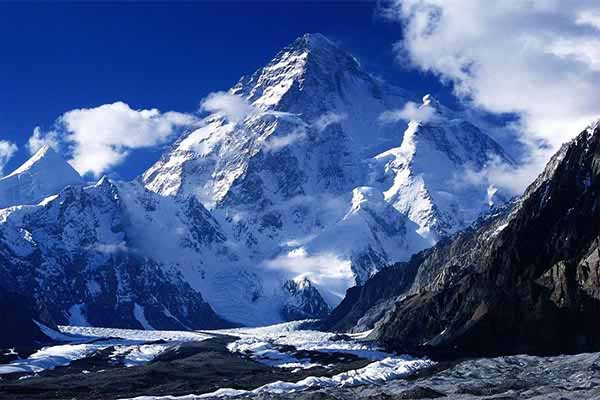
K2 Base Camp Trek
Book K2 base camp trek- 2023-24 with the No.1 Native k2 Trekking Company of Karakoram Pakistan in affordable prices. why to pay a heap to an agent, when we offer the same in just $1,850. Trek to k2 base camp is a....

K2 Gondogoro La Trek
The trek starts from Skardu, then to Shigar valley until Ali camp and cross the Gondogoro pass into Hushe valley and back to Skardu city in a circular way that is why it is also known as K2 Gondogoro La Circuit.K2 Gondogoro…….
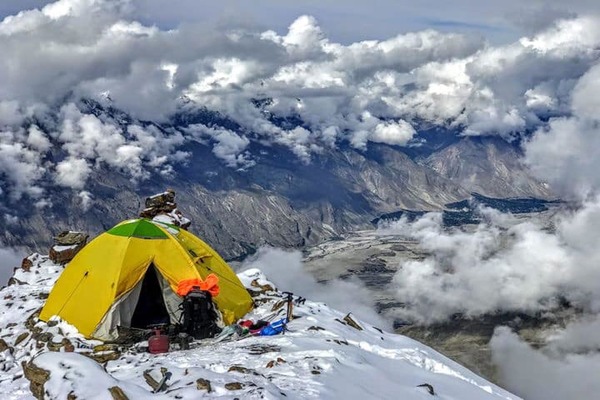
Khosar Gang Expedition
Khosar Gang Expedition (6000m) provides a panoramic view of the Karakoram mountains from the summit. you can view K2, Broad Peak, Rakaposhi, Spantik 7027m, Nanga Parbat 8000m, and hundreds of above ....
luxury Skardu Honeymoon Tour Packages By Air
Chogori Adventure the leading Native Tour operator of Skardu valley, offers 3 Days, 4 Days, 5 Days, 7 Days by air Skardu Honeymoon tour package..