English
 Arabic
 Chinese (Simplified)
 Czech
Czech Danish
 Dutch
Dutch French
  Georgian
  German
  Greek
Greek Italian
 Japanese
  Korean
 Latin
Latin  Persian
  Polish
  Portuguese
 Russian
 Spanish
 Turkish
High Altitude Treks in Pakistan: Discover the Best K2 Base Camp Trek and Himalayan Adventures
Tours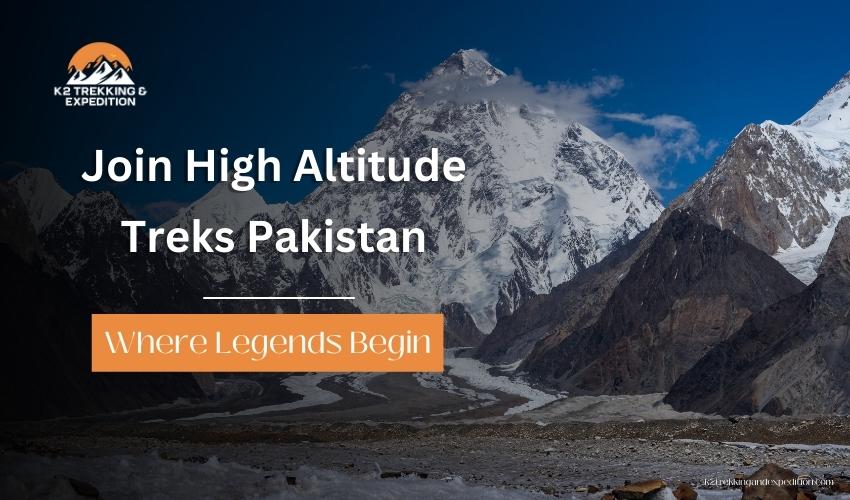
Table of Contents
Introduction to High Altitude Treks in Pakistan
What Makes Pakistan a Prime Destination for High Altitude Trekking
Pakistan stands out for high altitude treks with its huge mountain ranges and untouched landscapes. The country is home to K2, the second-highest mountain in the world, plus other 8000-meter peaks like Broad Peak and the Gasherbrum series. These towering peaks attract trekkers seeking real adventure in the Karakoram, Himalayas and Hindu Kush ranges. High altitude trekking in Pakistan combines glacier high altitude treks, remote valleys and views that few places can match.
Trekkers enjoy the raw beauty of snow-capped peaks, massive glaciers and high alpine meadows. Routes in the Karakoram high altitude zones offer some of the most scenic paths on earth, with dramatic terrain and fresh mountain views at every turn. Local hospitality brings warmth, as friendly villagers in remote areas share stories and tea. Pakistan high altitude trekking mixes challenge, beauty and peaceful isolation. K2 Trekking and Expedition helps bring these adventures to life with solid logistics and support. Trips usually start in Islamabad and head north to Gilgit-Baltistan, where the true high-altitude action begins.
Overview of the Karakoram and Himalayan Regions for Trekkers
The Karakoram range forms the heart of high altitude treks Pakistan, home to K2 base camp trek and other glacier routes. This area includes the famous Baltoro Glacier, one of the longest outside polar regions, surrounded by towering peaks like K2, Broad Peak and Trango Towers. Trekkers walk on ice and moraines while gazing at some of the highest peaks on the planet. The Karakoram high altitude environment feels wild and pristine, with sharp rock faces and vast ice fields.
The Himalayas in north Pakistan add variety with peaks such as Nanga Parbat, known as the killer mountain. Routes here pass through green valleys and pine forests before climbing to high altitudes. Fairy Meadows and Rakaposhi base camp offer easier access to big views without extreme difficulty. These areas combine meadow landscapes with snow-capped peaks, creating contrast that makes every photo memorable.
Both regions provide glacier high altitude trek options and classic paths that suit different levels of fitness. Trekking in Pakistan offers a chance to see one of the most scenic high mountain zones anywhere. The air feels fresh, the silence deep and the scale immense.
Why Choose K2 Trekking and Expedition for High Altitude Treks in Pakistan
Experienced Local Guides and Porters from Gilgit-Baltistan
K2 Trekking and Expedition relies on guides and porters who come from Gilgit-Baltistan communities. These team members know every path, river crossing and weather pattern in the Karakoram and surrounding areas. They have spent years on high altitude trek Pakistan routes, including the K2 base camp trek, so they handle challenges with calm skill. Their knowledge of local trails helps avoid problems and keeps the group moving safely.
Porters carry loads and set up camps, allowing trekkers to focus on the hike. Many of these men grew up in mountain villages, so they understand altitude effects and how to pace the day. Their experience makes the difference between a smooth trek and a tough one. K2 Trekking and Expedition selects people who respect the mountains and treat trekkers like family. This local connection brings authentic stories around the campfire and genuine Pakistani hospitality. Trekkers often form lasting bonds with the team.
Complete Support from Islamabad to Remote Mountain Trails
K2 Trekking and Expedition takes care of every step from arrival in Islamabad to the end of the trek. The team handles airport pickups, hotel stays, internal flights or drives to Skardu and jeep rides to trailheads. Permits get arranged early so there are no delays. All transport runs on schedule, weather permitting.
On the trail, camps include comfortable tents, hot meals and necessary equipment. The company provides group gear such as ropes for glacier crossings and first aid kits. Trekkers only need personal items. Return journeys receive the same attention, with rest days in Skardu for hot showers and relaxation. This full service lets people enjoy high-altitude trekking in Pakistan without worrying about details. K2 Trekking and Expedition focuses on making the entire trip smooth from city to high camp.
Focus on Safety and Responsible Practices in Challenging Terrain
Safety comes first on every trek in Pakistan with K2 Trekking and Expedition. The team monitors weather closely and adjusts plans if needed. Guides watch for signs of altitude issues and help with pacing. Medical support stays available throughout.
The company follows responsible practices by using established paths, packing out waste and respecting local customs. This approach protects the fragile glacier and meadow environments for future trekkers. Small group sizes reduce impact on trails. Trekkers receive briefings on safety rules before starting. These steps create confidence in tough high altitude conditions.
K2 Base Camp Trek: Epic Journey to the Foot of the Savage Mountain – Full 20-Day Itinerary
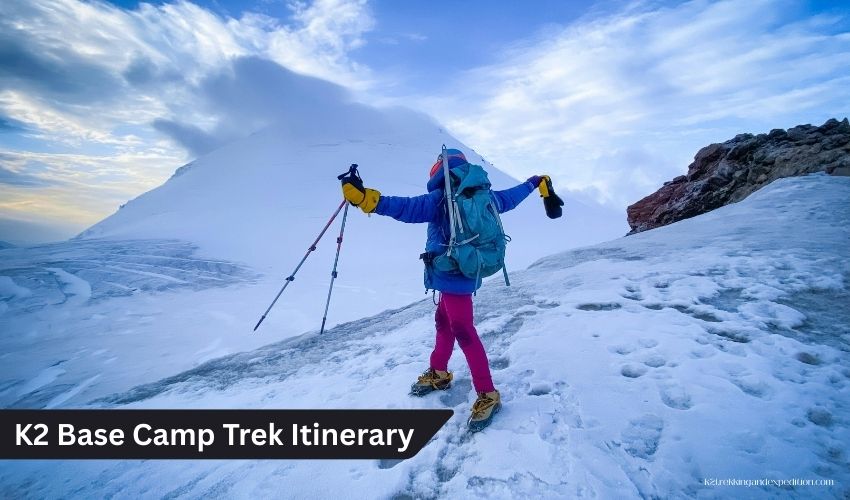
The K2 base camp trek stands as one of the most iconic high altitude treks Pakistan offers. This 20-day journey follows the Baltoro Glacier to Concordia and the foot of K2, the second-highest mountain in the world. Trekkers cross massive ice fields, pass under towering peaks and reach K2 base camp at 5100 m. The route combines physical demand with incredible scenery, making it a true rewarding trek for those ready for elevation gain and long days.
The itinerary builds in rest days for acclimatization, helping the body adjust to thin air. Flights to Skardu depend on clear weather, but drives along the Karakoram Highway provide their own beauty. Camps stay simple but comfortable, with hot food prepared daily.
Below is a quick overview table of the full 20-day schedule.
| Day | Location | Activity Summary | Overnight Type | Elevation |
|---|---|---|---|---|
| 1 | Islamabad | Arrive, meet team, permit formalities | Hotel | Low |
| 2 | Skardu | Flight or drive to Skardu | Hotel | ~2280 m |
| 3 | Skardu | Rest day, gear check, optional Shigar Valley visit | Hotel | ~2280 m |
| 4 | Askole | Jeep drive to Askole, last village | Camping | ~3000 m |
| 5 | Jhula | Trek along Braldu River, suspension bridges | Camping | ~3200 m |
| 6 | Paju | Trek through rocky terrain, Trango Towers views | Camping | ~3450 m |
| 7 | Paju | Acclimatization and rest day | Camping | ~3450 m |
| 8 | Khoburtse | Enter Baltoro Glacier, walk alongside peaks | Camping | 3800 m |
| 9 | Urdukas | Pass glacier moraines, mountain views | Camping | 4050 m |
| 10 | Goro II | Challenging glacier trek, Masherbrum and Gasherbrum IV sights | Camping | 4250 m |
| 11 | Concordia | Arrive at Concordia, surrounded by K2, Broad Peak and giants | Camping | 4600 m |
| 12 | Concordia | Day hike to K2 Base Camp, admire K2, return | Camping | 4600 m (camp), 5100 m (K2 BC) |
| 13 | Goro I | Trek back through glacier | Camping | ~4300 m |
| 14 | Khoburtse | Continue descent on Baltoro Glacier | Camping | 3800 m |
| 15 | Bardumal/Mondrong | Leave glacier, reach Bardumal camp | Camping | ~3200 m |
| 16 | Korophong | Walk along Braldu River | Camping | ~3000 m |
| 17 | Askole | Complete trekking, reach Askole | Camping | ~3000 m |
| 18 | Skardu | Jeep back to Skardu, hot shower | Hotel | ~2280 m |
| 19 | Islamabad | Fly or drive back to Islamabad | Hotel | Low |
| 20 | Islamabad | Free time, depart from airport | – | – |
Day 1: Arrival in Islamabad
Location: Islamabad. Arrive at the airport and meet the K2 Trekking and Expedition team. Complete permit formalities and settle into the hotel for rest. The day allows time to relax after travel and prepare mentally for the adventure ahead.
Day 2: Flight to Skardu
Location: Skardu. Take a scenic flight from Islamabad to Skardu if weather allows. If flights cancel, drive along the Karakoram Highway. Overnight in a hotel in Skardu with time to explore the town.
Day 3: Rest Day at Skardu
Location: Skardu. Use this day to rest, check gear and buy any last-minute items. An optional visit to Shigar Valley offers a chance to see old forts and orchards. The team gives final briefings.
Day 4: Drive to Askole
Location: Askole. Travel by jeep from Skardu to Askole, the last village before the trek. The rough road winds through valleys. Set up camp and meet porters for the first time.
Day 5: Trek to Jhula
Location: Jhula. Begin trekking along the Braldu River, crossing suspension bridges. The path stays easy at first with views of surrounding mountains. Camp near the river.
Day 6: Trek to Paju
Location: Paju. Walk through rocky terrain with stunning views of the Trango Towers. The trail gains height slowly. Reach camp in Paju and enjoy the evening light on distant peaks.
Day 7: Rest and Acclimatization Day at Paju
Location: Paju. Spend the day resting to help the body adjust to altitude. Short walks help circulation. The team checks health and prepares for glacier days ahead.
Day 8: Trek to Khoburtse
Location: Khoburtse. Enter the Baltoro Glacier and walk alongside towering peaks. The ice landscape changes everything. Camp at Khoburtse at 3800 m.
Day 9: Trek to Urdukas
Location: Urdukas. Pass through glacier moraines with striking mountain views. The path stays on ice with occasional grass patches. Reach camp at 4050 m.
Day 10: Trek to Goro II
Location: Goro II. Trek through challenging glacier terrain with sights of Masherbrum and Gasherbrum IV. The scale grows larger each day. Camp at 4250 m.
Day 11: Trek to Concordia
Location: Concordia. Arrive at Concordia at 4600 m, surrounded by K2, Broad Peak and other giants. The circle of 8000-meter peaks feels overwhelming.
Day 12: Day Hike to K2 Base Camp
Location: Concordia. Trek to K2 base camp at 5100 m and spend time admiring the second-highest mountain. Return to Concordia camp for the night.
Day 13: Trek Back to Goro I
Location: Goro I. Begin the return by retracing steps through the glacier. Descent feels faster but still requires care on ice.
Day 14: Trek to Khoburtse
Location: Khoburtse. Continue descent on the Baltoro Glacier. Familiar sights appear again. Camp at 3800 m.
Day 15: Trek to Bardumal/Mondrong
Location: Bardumal. Leave the glacier behind and reach Bardumal or Mondrong camp. Terrain becomes easier with grass and streams.
Day 16: Trek to Korophong
Location: Korophong. Walk along the Braldu River and enjoy familiar sights. The valley opens up.
Day 17: Trek to Askole
Location: Askole. Complete the trekking portion by reaching Askole. Celebrate the end of the trail.
Day 18: Drive to Skardu
Location: Skardu. Return by jeep to Skardu. Enjoy a hot shower and comfortable hotel stay.
Day 19: Fly or Drive to Islamabad
Location: Islamabad. Fly back if weather permits or drive via the Karakoram Highway. Hotel overnight.
Day 20: Departure
Location: Islamabad. Free time in the city if schedule allows. Transfer to the airport for departure.
Best High Altitude Treks in Pakistan
K2 Base Camp Trek – The Classic Journey to the Foot of K2
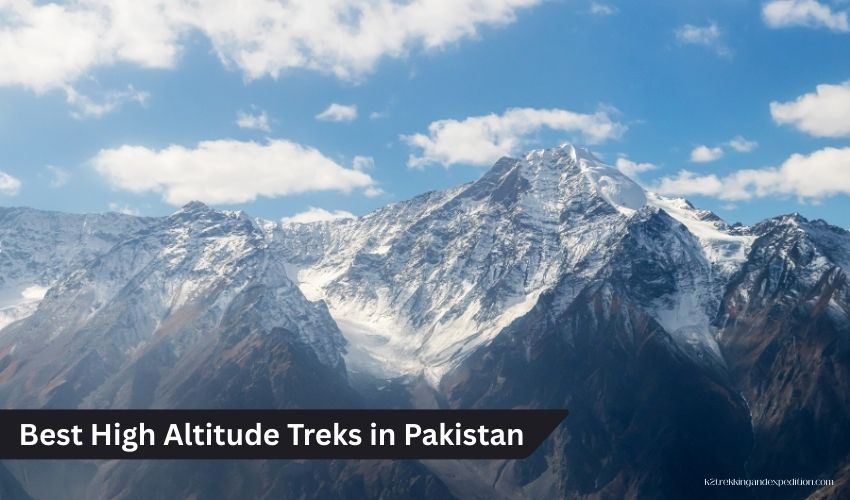
The K2 base camp trek ranks among the best high altitude treks Pakistan has to offer. This glacier high altitude trek leads through the heart of the Karakoram to Concordia and K2 base camp. Trekkers walk on the Baltoro Glacier, one of the longest in the world outside polar areas, passing under towering peaks that include K2, Broad Peak, Gasherbrum IV and the Trango Towers. The route reaches 5100 m at K2 base camp, where views of the second-highest mountain in the world dominate the horizon.
The trek requires a good level of fitness and acclimatization to handle daily elevation gain and long walking hours. Rest days help reduce risks of altitude sickness. The landscape shifts from green valleys to pure ice and rock, creating a dramatic contrast. Concordia stands out as a highlight, with surrounding peaks forming a natural amphitheater of giants. This trek takes trekkers through remote areas with minimal facilities, emphasizing self-reliance and nature. K2 Trekking and Expedition supports the journey with experienced teams. The K2 base camp trek delivers a profound sense of achievement and some of the stunning mountain views anywhere.
Here is a comparison table of key high altitude treks in Pakistan.
| Trek Name | Duration | Max Elevation | Difficulty Level | Iconic Views |
|---|---|---|---|---|
| K2 Base Camp Trek | 20 days | 5100 m | Challenging | K2, Broad Peak, Gasherbrum IV, Trango Towers |
| Snow Lake Trek | 18-20 days | 5000 m+ | Very Challenging | Snow Lake, Hispar Pass, vast glaciers |
| Rakaposhi Base Camp Trek | 10-12 days | 3600 m | Moderate | Rakaposhi, lush valleys |
| Fairy Meadows Trek | 8-10 days | 3300 m | Moderate | Nanga Parbat, meadows |
Other Notable High Altitude Options in the Karakoram
The Karakoram range holds several strong alternatives for those drawn to high altitude treks Pakistan offers beyond the classic Concordia K2 trek. One popular choice remains the Snow Lake trek, which crosses vast ice fields and connects the Biafo and Hispar glaciers in a remote loop. This route reaches elevations around 5000 m and shows off endless white expanses with sharp rock spires rising above. Trekkers often describe it as a true test of endurance in one of the least visited corners of north Pakistan.
Another route worth mentioning is the Shimshal Pass trek, starting from the isolated Shimshal village and climbing to high passes with views over Pamir-like plateaus. It combines cultural stops in Wakhi communities with challenging terrain and glacier crossings. These options appeal to people who want variety after experiencing the Concordia K2 trek or similar glacier paths. K2 Trekking and Expedition arranges support for many of these Karakoram routes, using the same experienced teams familiar with high camps and porter needs. Each trek brings its own mix of silence, scale and raw mountain beauty that stays with you long after returning home.
Glacier-Based Treks and Their Unique Appeal in Northern Pakistan
Glacier-based treks stand apart in northern Pakistan because they place you directly on some of the longest non-polar ice rivers anywhere. Walking across moving ice with deep crevasses and seracs creates a sense of being in another world. The Baltoro Glacier route during the Concordia K2 trek serves as the prime example, but similar feelings come from paths like the Biafo or Passu glaciers. These treks deliver constant changes in landscape from smooth ice to chaotic moraines, all under the watch of massive peaks.
The appeal lies in the closeness to nature at its most powerful. You hear the glacier creak and see avalanches tumble in the distance. Camps set on ice or near lateral moraines give nights filled with star-filled skies and cold mountain air. These routes demand respect for the environment and careful steps, yet reward every effort with unmatched solitude and scale. In high altitude Pakistan, glacier treks blend physical effort with moments of quiet wonder. They suit trekkers ready for multi-day immersion in ice and rock, far from roads and crowds.
Best Time for High Altitude Trekking in Pakistan
Ideal Seasons for Hiking in the North – Summer Window
The best window for high altitude trekking in Pakistan falls between late June and early September. During these months, temperatures stay manageable at lower camps while higher areas remain free of heavy snow. Trails open fully, rivers run but stay crossable and glaciers offer stable walking conditions. Most groups aim for July and August when daylight lasts longer and weather holds clearer skies.
This summer period brings reliable access to remote valleys and high passes in the Karakoram and Himalayas. Flowers bloom in meadows, adding color to otherwise stark landscapes. Trekkers enjoy warmer days for hiking and cooler nights perfect for sleeping in tents. The Concordia K2 trek departures cluster in this season to match the safest conditions. Outside this window, early June risks late snow and late September brings sudden cold snaps. Summer remains the clear choice for safe and enjoyable trek in Pakistan at altitude.
Weather Patterns and Flight Reliability in Skardu Region
Weather in the Skardu region stays unpredictable due to its position between massive ranges. Clear mornings often turn cloudy by afternoon, with possible afternoon showers or wind. High camps face sudden drops in temperature and occasional snow even in summer. Monitoring forecasts becomes part of daily routine on any trek.
Flights between Islamabad and Skardu depend heavily on visibility. Fog, clouds or wind can cancel them for days, so many groups plan buffer time or use the scenic road drive as backup. When skies stay clear, the flight offers incredible aerial views of snow-capped peaks and deep valleys. K2 Trekking and Expedition keeps close watch on conditions and adjusts plans quickly. Trekkers who stay flexible find the weather adds to the adventure rather than spoiling it.
Preparation for High Altitude Trekking in Pakistan
Physical Training and Fitness Requirements
A solid base of fitness helps make high altitude treks Pakistan more enjoyable. Aim to build stamina through regular walks, hikes with a pack and cardio exercises like running or cycling. Train with uphill sections carrying 10-15 kg to mimic trail loads. Strong legs and good balance matter most since days often involve 8-10 hours of walking over uneven ground.
Focus on endurance rather than speed. Practice long hikes on weekends and gradually increase distance and elevation. Core strength aids stability on moraines and ice. Even moderate fitness levels work if you train consistently for 2-3 months before departure. Listen to your body during preparation. Rest days prevent burnout and allow recovery. Good fitness reduces fatigue and helps handle the demands of glacier high altitude trek routes.
Acclimatization Strategies to Handle Altitude Gains
Acclimatization plays a key role in staying healthy during high altitude trekking in Pakistan. The body needs time to adjust to lower oxygen levels, especially above 3500 m. Built-in rest days, like the one at Paju on the Concordia K2 trek, allow gradual adaptation. Short walks on rest days keep blood flowing without overexertion.
Climb high and sleep low whenever possible. Hydrate constantly with 3-4 liters of water daily and eat well even if appetite drops. Slow pacing prevents rushing and gives the body chance to catch up. Guides watch closely and slow the group if needed. These simple habits lower risks and let you enjoy the views fully. Proper acclimatization turns a tough trek into a manageable and memorable one.
Essential Gear and Packing Recommendations
Packing right keeps you comfortable and safe on high altitude trails. Layered clothing handles big temperature swings from hot days to freezing nights. A good sleeping bag rated for -10°C or lower protects during cold camps. Sturdy hiking boots with ankle support and gaiters guard against snow and rocks.
Here is a quick packing list table with main categories.
| Category | Key Items | Notes |
|---|---|---|
| Clothing Layers | Base layers, fleece, down jacket, waterproof shell | Merino wool for base works best |
| Footwear | Trekking boots, camp shoes/sandals, extra socks | Break in boots well before trek |
| Technical Items | Trekking poles, headlamp, sunglasses, sun hat | Poles help on glacier and descent |
| Personal Essentials | Water bottles, snacks, personal first aid, toiletries | Sunscreen and lip balm essential |
Keep your daypack light for daily hikes. K2 Trekking and Expedition supplies group tents and cooking gear so you focus on personal items only.
Managing Altitude Sickness Symptoms on the Trail
Altitude sickness can appear as headache, nausea, dizziness or tiredness above 3000 m. Mild symptoms often ease with rest, hydration and slower movement. Descending a few hundred meters usually helps if things worsen. Guides carry basic medicines and know when to act.
Stay aware of your body signals. Drink plenty of fluids and avoid pushing too hard on ascent days. Eating regular small meals keeps energy steady. Most people adjust well with the built-in rest days on routes like the Concordia K2 trek.Open communication with the team prevents small issues from growing. Early attention keeps the trek safe and positive for everyone.
Iconic Peaks and Scenic Highlights in Pakistan High Altitude Treks
Views of K2, Broad Peak, Gasherbrum and Trango Towers
Few places match the concentration of giants found around Concordia on the Concordia K2 trek. K2 rises straight up as the second-highest mountain in the world, its massive face dominating the view. Nearby Broad Peak and the Gasherbrum group add layers of sharp summits and ice walls. The Trango Towers stand like needles piercing the sky, offering dramatic scale.
From Concordia camp, 360-degree views surround you with 8000-meter peaks and rock spires. Sunrises paint the snow pink and gold while evenings bring deep shadows across the faces. These sights reward every step of the long approach. Trekkers often stand in silence, taking in the raw power of these mountains. The Concordia K2 trek delivers some of the most intense peak views available anywhere.
The Baltoro Glacier Route and Its Dramatic Landscapes
The Baltoro Glacier forms the backbone of many high altitude treks Pakistan features, especially the path to Concordia. This massive river of ice stretches over 60 km, covered in rock debris and cut by crevasses. Walking on it feels otherworldly with constant shifts between smooth ice and rough moraines.
The route passes beneath towering peaks that seem to close in as you advance. Side glaciers feed in, creating ever-changing patterns of white and gray. Camps on lateral moraines offer safe spots with sweeping vistas down the valley. The Baltoro landscape combines silence, scale and movement. It leaves a lasting impression of nature at its most powerful and untouched.
Frequently Asked Questions
1. What is considered a high-altitude trek?
A high-altitude trek usually starts above 3000 m and often climbs to 4000 m or higher where oxygen levels drop noticeably. Trekkers face thinner air, colder temperatures and tougher terrain like glaciers or steep paths. In high altitude treks Pakistan, most routes in the Karakoram reach 4000-5000 m and need proper pacing to stay safe.
2. How fit do I need to be for the K2 Base Camp Trek?
You need solid endurance for 8-10 hour walking days over rough ground with a daypack. Regular hikes carrying 10-12 kg plus uphill training for 2-3 months prepare most people well. I have seen average hikers complete it comfortably when they train steadily and rest properly on acclimatization days.
3. How long does acclimatization take?
It normally takes 3-7 days for the body to adjust above 3000 m depending on how fast you ascend. Built-in rest days on treks help a lot. From my experience on multiple trips, slow gains and good hydration make the process smoother for almost everyone.
4. Can altitude sickness be prevented completely?
No one can prevent it completely since everyone reacts differently to lower oxygen. Staying hydrated drinking 3-4 liters daily eating well and ascending slowly reduce chances a great deal. Mild symptoms often pass with rest or descent and most people manage fine on organized treks.
5. What is the best time for hiking in north Pakistan?
Late June through early September offers the clearest weather and open trails in the north. July and August bring longer days and stable conditions for most high routes. I prefer mid-July departures because snow has melted and views stay sharp before autumn cold sets in.
6. Is Pakistan safe for trekking?
Yes Pakistan remains safe for trekking especially on popular routes with experienced teams. Local guides know the areas well and handle any issues quickly. I have led groups for years without major problems when everyone follows basic safety steps and stays with the support crew.
7. What kind of visa is needed to do treks in restricted areas like K2 Base Camp?
You need a tourist visa plus a special trekking permit for restricted zones like K2 Base Camp. Tour operators arrange the No Objection Certificate and permit through government channels. Apply early since processing takes time and the company handles paperwork smoothly.
8. Are emergency evacuations available in Pakistan?
Yes helicopter evacuations exist for serious cases though they depend on weather and location. Organized treks carry satellite phones and first aid for quick response. In my trips we always plan for worst-case scenarios and most issues get handled on the ground without needing airlift.
9. What are the best places for mountaineering, trekking and adventure in Pakistan?
The Karakoram stands out with K2 Broad Peak and Gasherbrum peaks while the Himalayas offer Nanga Parbat and Fairy Meadows. Gilgit-Baltistan hosts the finest high altitude options including glacier treks and remote valleys. These areas deliver unmatched scale and scenery for adventure seekers.
10. Why choose Pakistan for trekking?
Pakistan combines some of the highest peaks on earth with vast glaciers and welcoming local hospitality. Routes feel wild and uncrowded compared to many places. The mix of challenge stunning landscapes and genuine people keeps drawing me back year after year for memorable journeys.
Conclusion: Start Your High Altitude Adventure in Pakistan Today
Pakistan delivers unmatched experiences for anyone drawn to high altitude treks. From the iconic Concordia K2 trek to other glacier routes in the Karakoram, these journeys combine challenge, beauty and raw mountain power. K2 Trekking and Expedition stands ready to support your trip with local knowledge, full logistics and attention to safety from Islamabad to the highest camps.
The Concordia K2 trek remains a highlight for many, offering close-up views of K2 and surrounding giants after days of steady effort. Whether you choose this classic path or another high route, the rewards stay with you forever. If the call of big mountains and remote trails speaks to you, now marks the time to plan. Reach out to K2 Trekking and Expedition to discuss dates and details. Your next adventure in high altitude Pakistan awaits.
You may also like
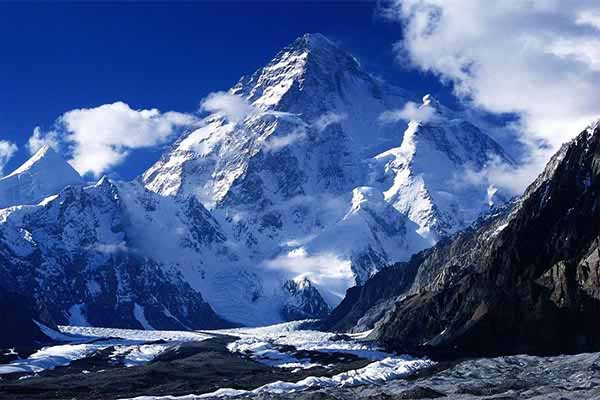
K2 Base Camp Trek
Book K2 base camp trek- 2023-24 with the No.1 Native k2 Trekking Company of Karakoram Pakistan in affordable prices. why to pay a heap to an agent, when we offer the same in just $1,850. Trek to k2 base camp is a....

K2 Gondogoro La Trek
The trek starts from Skardu, then to Shigar valley until Ali camp and cross the Gondogoro pass into Hushe valley and back to Skardu city in a circular way that is why it is also known as K2 Gondogoro La Circuit.K2 Gondogoro…….
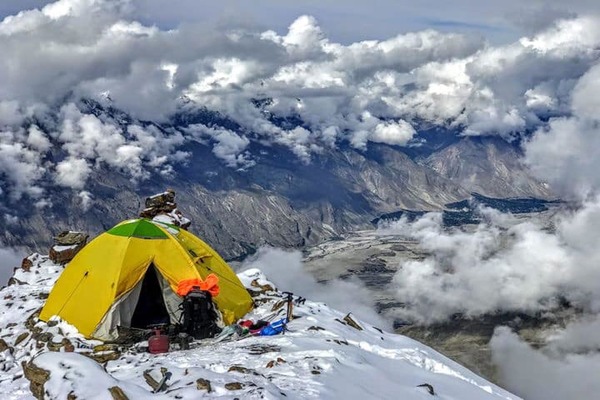
Khosar Gang Expedition
Khosar Gang Expedition (6000m) provides a panoramic view of the Karakoram mountains from the summit. you can view K2, Broad Peak, Rakaposhi, Spantik 7027m, Nanga Parbat 8000m, and hundreds of above ....
luxury Skardu Honeymoon Tour Packages By Air
Chogori Adventure the leading Native Tour operator of Skardu valley, offers 3 Days, 4 Days, 5 Days, 7 Days by air Skardu Honeymoon tour package..