English
 Arabic
 Chinese (Simplified)
 Czech
Czech Danish
 Dutch
Dutch French
  Georgian
  German
  Greek
Greek Italian
 Japanese
  Korean
 Latin
Latin  Persian
  Polish
  Portuguese
 Russian
 Spanish
 Turkish
Hunza Valley Pakistan: Discover the Best Places to Visit and Hidden Adventures in 2026
Tours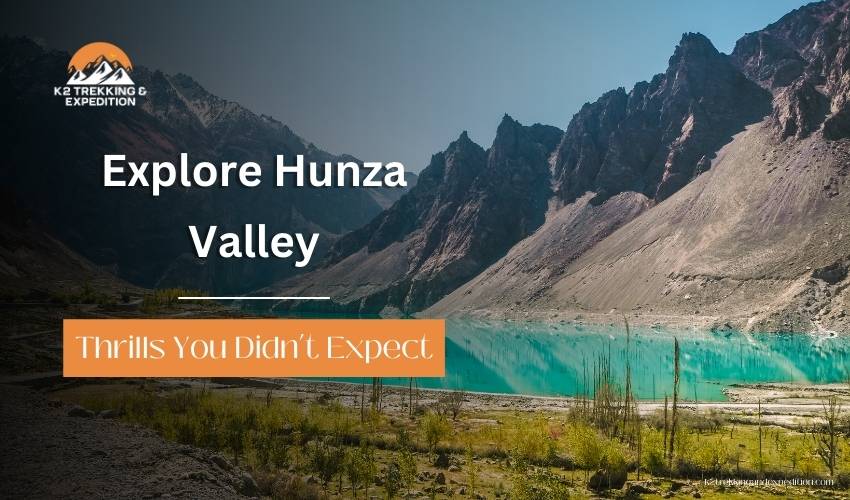
Nestled in the heart of northern Pakistan, the hunza valley stands out as one of the most beautiful places in the world. This scenic and beautiful valley draws travelers from all over with its natural beauty and local culture. If you plan to explore hunza on a hunza valley tour in pakistan, companies like K2 Trekking and Expedition offer reliable options to make your hunza trip smooth and memorable. The hunza valley is home to breathtaking views and makes hunza a top spot for those seeking adventure and peace. From the hunza river flowing through the bottom of the valley to the high peaks that surround it, every part of this beautiful valley provides something special. People often say the hunza valley in pakistan feels like the mythical valley of shangri-la in james hilton’s novel, with its inspiration for the mythical valley coming from stories of this remote spot.
The hunza valley is also known for its welcoming people and rich traditions that let you see history come to life. Whether you join a hunza adventure tours or go solo, the view of hunza from spots like the top of karimabad leaves a lasting mark. As one of pakistan’s hidden gems, the hunza valley is popularly believed to hold secrets to a healthy hunza life, blending old ways with stunning landscapes. Across the valley, you find apricot orchards and glacier-fed streams that add to the charm. This beautiful scenery turns any visit hunza into one of the best tours in the world.
What is Hunza Valley?
Location and Geography of Hunza Valley
The hunza valley sits in the gilgit baltistan region of northern pakistan, making it a key part of gilgit-baltistan. This valley is one of the most beautiful spots in parts of pakistan, bordered by high mountains and the hunza river that cuts through its center. To the north, it touches the wakhan corridor in afghanistan and the border between pakistan and china near the khunjerab pass. The hunza valley’s landscape includes steep cliffs, lush meadows and glaciers like the passu glacier that feed into the rivers below. At an elevation of around 8,000 feet, the air stays fresh and the views stretch far, with peaks like rakaposhi and ultar sar rising over 7,000 meters. The valley divides into lower hunza, central hunza and upper hunza, each with its own charm from fertile fields to rocky paths. Karimabad serves as the capital of hunza valley, perched on hills with terraced farms that grow apricot trees and other fruits.
Travelers often start from islamabad via the karakoram highway hunza route, which winds through nagar valley and past the hunza and nagar areas. The geography here supports hunza valley adventure activities from simple walks to tougher hunza valley treks near base camps. The hunza state once covered this area as an independent principality and today it remains a hub for those who want to experience the natural beauty of gilgit. With its mix of wakhi and burusho communities, the hunza valley offers a glimpse into life shaped by mountains and rivers. Glaciers like those in hopper valley add to the dramatic setting, while spots like borith lake provide calm waters amid the rugged terrain.
In hunza pakistan, the valley provides endless spots for exploration, such as ganish old village with its ancient watchtowers. The hunza valley is also close to shimshal valley and chapursan valley, extending the adventure options. This makes it one of the best places to visit in hunza for anyone drawn to high-altitude beauty and cultural depth.
Which Country is Hunza Valley Located In?
The hunza valley lies firmly in pakistan, part of the gilgit-baltistan territory that pakistan administers. Many people ask hunza valley which country because of its remote feel and borders with china and afghanistan, but it belongs to pakistan without question. This beautiful valley sits in the northernmost reaches, far from the bustling cities like islamabad. As a key area in gilgit baltistan, hunza pakistan draws visitors who come to see its unique blend of cultures and landscapes. The ruling family of hunza once governed here as ruler of hunza, but now it’s integrated into pakistan’s system.
Stories about the hunza valley often highlight its isolation, which preserved traditions like those of the people of hunza. Being in pakistan means easy access for domestic travelers and the border between pakistan adds an international flavor with the nearby khunjerab national park shared with china. Hunza was an independent principality for centuries, but since 1974 it has been fully part of pakistan, allowing more people to visit the hunza valley and enjoy its wonders.
Why Choose K2 Trekking and Expedition for Your Hunza Valley Adventure
K2 Trekking and Expedition knows the hunza valley better than most because their team comes from the region and has years of experience leading groups through its trails and hidden spots. They base their main branch in Skardu at Shop #3, Thasang Market Hussaini Chowk, Skardu and run an Islamabad office at Hostel City check Shahzad Islamabad Street Number #02 so you get support from planning to arrival. Every hunza valley tour they organize follows safe routes with trained local guides who share real stories about places like altit fort baltit fort attabad lake hunza and passu cones hunza.
The company keeps groups small for a personal feel and handles all details from comfortable transport along the karakoram highway hunza to clean stays in karimabad and upper hunza. They offer flexible dates for hunza valley trek options like rakaposhi base camp or ultar meadow and adjust plans based on weather or your pace. Past travelers praise their quick responses and care during the trip. You travel with people who treat the hunza valley as home and want you to see its best side.
For a smooth and memorable hunza adventure trek or relaxed hunza valley tour in pakistan choose K2 Trekking and Expedition. Contact them directly at +92 342 8394603 or email info@k2trekkingandexpedition.com to discuss your dates and preferences. Their team stands ready to help turn your hunza dream into reality.

History and People of Hunza Valley
The People and Culture of Hunza Valley
The people of hunza valley come from diverse backgrounds, mainly burusho in central hunza and wakhi in upper hunza, creating a rich cultural mix. These communities speak their own languages alongside urdu and most follow ismaili islam, which shapes their peaceful way of life. Hunza valley people are known for hospitality, often welcoming visitors with traditional hunza cuisine like apricot-based dishes and walnut bread. In places like gulmit and passu, you see wakhi herders tending sheep near glaciers, while in karimabad, burusho families farm terraced fields. The hunza valley culture ties closely to the land, with festivals celebrating harvests and music played on local instruments.
Daily interactions show the strong community bonds in hunza pakistan, where elders share stories of the old hunza state. The hunza valley is home to artisans who craft woolen shawls and gemstone jewelry, sold in markets along the karakoram hunza path. Sports like polo hold a special place, with matches drawing crowds from across the valley. This blend of traditions makes hunza one of the most beautiful cultural spots in northern pakistan.
Life in hunza revolves around family and nature, with people gathering for meals that feature fresh produce from the beautiful valley. The hunza valley provides a space where old customs meet modern education, as many youth study in gilgit or islamabad.
The Role of Women in Hunza Valley Society
Women in hunza valley play active roles in society from farming to education and business. Hunza valley women often manage households and orchards, harvesting apricots and tending crops in the terraced fields. In upper hunza, wakhi women weave colorful fabrics and care for livestock near places like borith lake. Education rates are high among hunza women, with many attending schools in karimabad or gilgit, leading to careers in teaching or health. They participate in community decisions, reflecting the progressive ismaili values in hunza pakistan.
Hunza valley women also preserve traditions, like preparing hunza cuisine for festivals and teaching crafts to younger generations. In daily life, they balance work and family, often seen walking paths with baskets of fresh produce. This empowerment stands out in the region, making hunza a model for gender roles in northern pakistan.
Daily Life and Traditions in Hunza Valley
Daily life in hunza valley starts early, with families rising to tend farms along the hunza river. In karimabad, the capital of hunza, people gather water from glacier streams and prepare meals using traditional hunza methods. Traditions include seasonal festivals where music and dance celebrate the apricot bloom or harvest. Hunza life involves communal work, like building irrigation channels that bring water from glaciers to fields. In ganish, the oldest village, elders recount tales of the ruler of hunza and the hunza and nagar conflicts.
Evenings bring families together for stories and games, strengthening bonds in this close-knit society. The hunza valley traditions extend to crafts, with woodworking and embroidery passed down through generations. In upper hunza, near the pakistan and china border, daily routines include trading goods at markets. This rhythm of life in hunza keeps the culture alive amid the stunning scenery. Visitors often join in simple activities, like picking fruits or learning local dances, to feel the warmth of hunza people. The valley is one where traditions blend with the natural beauty, creating a timeless feel.
Hunza Valley and Stories of Longevity (Average Age)
Stories of longevity in hunza valley claim people live to 100 years or more, thanks to clean air, active lifestyles and a diet rich in apricots and nuts. The hunza valley average age often gets mentioned as around 100, with some reaching 120, though records vary. This hunza life draws from mountain living, where daily exercise like walking steep paths keeps bodies strong. Fresh foods from the beautiful valley, free of processed items, support health into old age.
While some tales exaggerate, the people of hunza do enjoy longer lives compared to many places, with low rates of illness. The hunza valley is popularly believed to hold secrets to this, inspiring visitors to adopt similar habits.
| Year | Event | Significance |
|---|---|---|
| 1200 | Establishment of Hunza as a principality | Marked the beginning of independent rule in the region |
| 1891 | British conquest in Hunza-Nagar Campaign | Ended local autonomy and brought British influence |
| 1947 | Brief independence after partition | Led to integration into Pakistan |
| 1974 | Dissolution by Zulfikar Ali Bhutto | Fully incorporated Hunza into Pakistan’s administration |
Getting to Hunza Valley
Distance from Islamabad to Hunza Valley
The hunza valley distance from islamabad measures about 600 kilometers, a journey that takes travelers through varied landscapes. Most people drive from islamabad via the karakoram highway, passing towns like abbottabad and mansehra before entering the mountains. This route offers stops at scenic points, making the long drive rewarding. Flights to gilgit cut the time, with a short 1-hour hop, followed by a 2-hour drive to hunza. Buses from islamabad run daily, covering the distance in 14 to 16 hours, depending on stops.
For those on a hunza valley tour, private vans provide comfort over the 600 km stretch. The path winds through nagar and past rakaposhi, adding beauty to the trip. Weather can affect the time, so plan for possible delays in winter.
Scenic Journey Along the Karakoram Highway to Hunza Valley
The scenic journey along the karakoram highway to hunza valley unfolds like a storybook, with twists and turns revealing new wonders. Starting from islamabad, the road climbs through green hills into the rugged north, passing the hunza river and towering peaks. Karakoram hunza sections feature views of rakaposhi and ultar sar, with stops at viewpoints for photos. In spring, blooming apricots line the path, while autumn brings golden leaves.
Travelers often pause in chilas or gilgit before reaching hunza pakistan, where the highway hugs cliffs and crosses bridges. This hunza adventure trek by road lets you spot glaciers and meadows along the way. The karakoram highway hunza route connects to khunjerab pass, near the border between pakistan and china, adding an epic feel. Near attabad lake hunza, the blue waters contrast with rocky mountains, a highlight of the drive. Passu cones hunza rise like natural sculptures, marking entry to upper hunza. This path not only covers distance but immerses you in the valley’s magic.
| Starting Point | Distance | Travel Time | Mode of Transport |
|---|---|---|---|
| Islamabad | 600 km | 14-16 hours | Car or Bus |
| Gilgit | 100 km | 2-3 hours | Taxi or Van |
| Sost (near border) | 150 km | 3-4 hours | Local Transport |
Hunza Valley Weather
Seasonal Weather Patterns Across Hunza Valley Throughout the Year
Hunza valley weather varies greatly by season, giving visitors unique experiences all year. Winter (December to February) brings cold nights down to -10°C, with snow blanketing meadows and glaciers, while days hover around 5°C—great for peaceful snowy walks. Spring (March to April) warms to 10°C–15°C, as apricot blossoms cover the valley in pink and white and light rain feeds the terraced farms along the hunza river.
Summer (May to August) offers pleasant highs of 25°C, perfect for hunza pakistan treks near rakaposhi base camp or ultar meadow, with cool nights at 10°C and occasional showers keeping everything green. This season draws hunza valley adventure lovers to chapursan valley and shimshal valley. Autumn (September to October) features mild 10°C–20°C temperatures, clear skies and golden foliage that transforms the hunza valley into a stunning sight.
Due to high altitude, weather can shift quickly, so pack layers. Some routes like Babusar Pass close in winter, but summer keeps everything open. The hunza valley looks beautiful in every season from snow-capped peaks to flowering orchards. In cooler months, hunza cuisine with warm local soups adds comfort and hunza valley trek travelers enjoy the dramatic views from misty Hussaini Bridge to passu cones hunza under bright skies.
| Month | Average High Temperature | Average Low Temperature | Precipitation |
|---|---|---|---|
| January | 5°C | -10°C | 20 mm |
| February | 7°C | -8°C | 25 mm |
| March | 12°C | -3°C | 40 mm |
| April | 18°C | 3°C | 50 mm |
| May | 23°C | 8°C | 30 mm |
| June | 25°C | 10°C | 20 mm |
| July | 28°C | 13°C | 15 mm |
| August | 27°C | 12°C | 20 mm |
| September | 23°C | 7°C | 15 mm |
| October | 18°C | 2°C | 10 mm |
| November | 12°C | -2°C | 15 mm |
| December | 7°C | -7°C | 20 mm |
Best Places to Visit in Hunza Valley
Karimabad: The Vibrant Capital of Hunza Valley
Karimabad acts as the capital of hunza and buzzes with life as the main hub in central hunza. This town sits on a hillside with terraced farms and offers beautiful views of the hunza valley in pakistan. Markets here sell local crafts like woolen caps and gemstones while cafes serve traditional hunza tea. The hunza valley is home to friendly shops where you can pick up dried apricots or handmade jewelry. As one of the best places to visit in hunza, karimabad lets you explore hunza on foot with paths leading to viewpoints. The top of karimabad provides sweeping sights of rakaposhi and ultar sar peaks that dominate the skyline.
People flock to karimabad during a hunza valley tour to soak in the local culture and shop for souvenirs. The hunza valley’s vibrant streets fill with vendors selling fresh fruits from nearby orchards. This spot makes hunza feel alive with its mix of old stone houses and modern guesthouses. Evenings bring cool breezes across the valley and you can watch the sun set over the hunza river below. Karimabad stands as the heart of hunza pakistan and draws travelers who want to experience the natural beauty up close.
Exploring the Historic Altit Fort
Altit fort perches on a rocky cliff in altit village near karimabad and dates back over 900 years. This historic site once served as a palace for the rulers of hunza and now opens to visitors who climb steep steps to reach it. Inside you find wooden beams and small rooms that show how people lived in the old hunza state. The fort overlooks the hunza valley and provides breathtaking views of the hunza river winding through the bottom of the valley. Gardens around it grow apricot trees that bloom in spring and add color to the stone walls.
Exploring altit fort lets you see history come to life with guides sharing stories of the ruling family of hunza. The hunza valley is popularly believed to have inspired tales of long life and this fort holds echoes of that past. Narrow balconies offer spots to gaze at ultar meadow and surrounding mountains. A small museum displays old tools and weapons from the hunza and nagar times. This place ranks as one of the best places in hunza for anyone interested in the region’s heritage.
As part of a hunza trip you can spend an hour wandering the halls and imagining life as a ruler of hunza. The fort’s location in lower hunza makes it easy to reach from the karakoram highway hunza route.
Discovering the Majestic Baltit Fort
Baltit fort towers above karimabad and stands as a symbol of hunza’s royal past. Built around 700 years ago this majestic structure features Tibetan-style architecture with wooden carvings and high towers. It served as the home for the mirs or rulers of hunza until the mid-20th century. Now restored it houses artifacts like old rugs and swords that tell the story of the hunza state. The view of hunza from its roof stretches across the valley to rakaposhi peak and makes hunza feel like the mythical valley of shangri-la in james hilton’s book.
Discovering baltit fort during a visit hunza reveals layers of history from its time as an independent principality. The hunza valley in pakistan holds this fort as a key attraction where you can walk through rooms once used by the ruling family of hunza. Balconies provide beautiful scenery of apricot orchards and the hunza river below. Guides explain how hunza was an independent principality before joining pakistan. This spot draws crowds on a hunza valley tour in pakistan for its blend of culture and stunning location.
Experiencing Attabad Lake in Hunza Valley
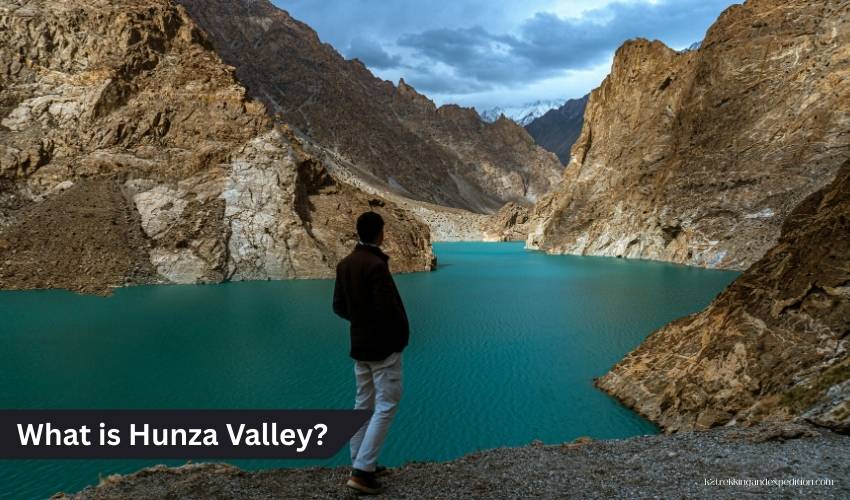
Attabad lake hunza formed in 2010 after a landslide blocked the hunza river and created a turquoise gem in the hunza valley. This lake stretches for 21 kilometers and shines with bright blue waters against rocky mountains. Boats take visitors across for rides that show off the submerged villages below. The hunza valley adventure here includes jet skiing or fishing in the calm spots. Cliffs rise steep around the edges and make hunza feel remote yet accessible from the karakoram hunza road.
Experiencing attabad lake turns any hunza trip into one of the best tours in the world with its scenic and beautiful setting. The hunza valley provides spots for picnics along the shore where you can watch locals fish. In summer the water warms enough for swims near the edges. This lake sits in upper hunza and connects to places like gulmit village. Travelers on a hunza adventure tours often stop here to capture photos of the dramatic landscape. The hunza valley is also known for this spot’s role in linking communities after the disaster.
Winter freezes the surface for ice activities while spring brings melting glaciers that feed the lake. Attabad stands as one of pakistan’s natural wonders in gilgit baltistan.
Admiring the Iconic Passu Cones in Hunza Valley
Passu cones hunza rise like sharp cathedral peaks in upper hunza and create an iconic sight along the karakoram highway hunza. These rocky formations tower over the hunza river and offer beautiful views for drivers passing through. Hiking paths lead closer to the base where you can admire their unique shapes formed by erosion. The hunza valley in pakistan features these cones as a highlight for photographers seeking dramatic shots. Nearby passu village adds charm with its stone houses and wakhi people.
Admiring the passu cones makes hunza a must-see in northern pakistan. The hunza valley’s landscape here includes the passu glacier nearby that feeds cold streams into the area. This spot ranks among the best places to visit in hunza for its raw natural beauty. Winds whistle through the peaks and create a sense of adventure. Travelers often pause during a hunza valley tour to walk short trails around the base.
Visiting Khunjerab Pass and Khunjerab National Park
Khunjerab pass sits at 4,693 meters on the border between pakistan and china and marks the highest paved crossing in the world. This pass connects to khunjerab national park where wildlife like marco polo sheep roam free. The hunza valley leads up to this area through sost town. Views from the top show snow-capped mountains and vast plateaus. The park covers 2,269 square kilometers and protects rare animals in gilgit-baltistan.
Visiting khunjerab pass during a hunza adventure trek gives a thrill with its high altitude and crisp air. The hunza valley tour often includes a day trip here to see the pakistan and china boundary. Roads wind through the park with stops for spotting ibex or birds. This place stands as one of the most beautiful in parts of pakistan. Guards at the border share stories of trade between the countries. The hunza valley provides access via the karakoram highway hunza route that climbs steadily.
In khunjerab national park trails allow short walks to viewpoints over glaciers. The area near the wakhan corridor adds a sense of remote exploration.
Relaxing at the Serene Borith Lake
Borith lake nestles in upper hunza near gulmit and offers a serene spot with saltwater fed by glacier melt. This lake reflects the surrounding peaks and provides a quiet place for relaxation. Birds flock to the shores and make it a haven for watchers. The hunza valley is home to this hidden gem at 2,600 meters elevation. Paths around the edge allow easy walks with views of passu glacier.
Relaxing at borith lake lets you escape the busier parts of hunza pakistan. The hunza valley adventure here includes boating or picnics by the water. Local wakhi families sometimes offer tea nearby.
Exploring Ganish: The Oldest Village in Hunza Valley
Ganish stands as the oldest village in hunza valley with watchtowers over 1,000 years old. This spot in central hunza features ancient mosques and carved wooden houses. Narrow lanes wind through the settlement and show traditional hunza life. The hunza valley holds ganish as a cultural treasure with ponds fed by hunza river channels.
Exploring ganish reveals rock inscriptions and old forts that tell of the hunza and nagar past. This village ranks among the places to visit in hunza for its quiet charm.
| Place Name | Description | Best Time to Visit |
|---|---|---|
| Karimabad | Vibrant town with markets and views of peaks like rakaposhi | Spring and autumn |
| Altit Fort | Historic cliffside palace with gardens and river views | Summer |
| Baltit Fort | Majestic royal residence with artifacts and panoramic sights | All year |
| Attabad Lake | Turquoise water body for boating and water sports | Summer |
| Passu Cones | Iconic rocky formations along the highway | Autumn |
| Khunjerab Pass | High border crossing with wildlife park | Summer |
| Borith Lake | Serene saltwater lake for birdwatching | Spring |
| Ganish Village | Oldest settlement with ancient towers and mosques | All year |
Adventures and Treks in Hunza Valley
Popular Trekking Options Available in Hunza Valley
Popular trekking options in hunza valley range from easy day hikes to multi-day adventures that showcase the karakoram hunza landscapes. The hunza valley trek paths wind through meadows and past glaciers like those in hopper valley. Beginners can try short walks around karimabad to ultar meadow while experienced hikers aim for rakaposhi base camp. The hunza pakistan trek scene draws people from islamabad via the karakoram highway hunza for its varied terrain. Local guides from K2 Trekking and Expedition help with routes that explore hunza valley adventure spots.
The hunza adventure trek options include crossing suspension bridges like hussaini for added thrill. In upper hunza paths lead to shimshal valley where you cross rivers and climb to high pastures. The hunza valley provides trails that suit all levels with views of ultar sar and rakaposhi. Many start from passu village to reach passu glacier or borith lake. Chapursan valley offers remote hunza valley adventure with chances to see wakhi nomads. These treks make hunza one of the best places for outdoor lovers in gilgit baltistan.
Autumn colors the hunza valley with golden leaves on treks while summer opens higher paths. The valley is one of the most beautiful for combining culture with nature walks.
Trek to Rakaposhi Base Camp from Hunza Pakistan
The trek to rakaposhi base camp from hunza pakistan starts in minapin village and climbs to 3,500 meters over 2 to 3 days. This hunza pakistan trek follows a path through pine forests and across streams fed by rakaposhi glacier. Views of the 7,788-meter rakaposhi peak grow closer with each step. Camp at hapakun meadow for nights under stars with the mountain looming above. The hunza valley adventure here tests legs with steep sections but rewards with wildflowers in summer.
Porters carry gear on this trek leaving you free to enjoy the scenery. The hunza valley tour often adds this as a side trip from karimabad. Glaciers crackle in the distance and add sound to the quiet trails. This route ranks as one of the best in northern pakistan for its access from the karakoram highway hunza. Return paths loop through diran peak views and end in nagar valley.
Adventure Trek to the Lush Ultar Meadow
The adventure trek to the lush ultar meadow begins near baltit fort in karimabad and heads up steep slopes to 3,000 meters. This hunza adventure trek takes 4 to 6 hours round trip and passes through apricot orchards blooming in spring. Ultar meadow bursts with green grass and wildflowers under ultar sar peak. The hunza valley holds this spot as a peaceful retreat with streams for picnics. Sheep graze here in summer and add to the pastoral feel.
Reaching ultar meadow gives a sense of achievement with panoramic views of the hunza river below. The hunza valley adventure includes spotting birds and maybe marmots in the rocks. This trek suits day hikers who want a taste of high altitude without overnight stays.
Exploring Upper Hunza on Thrilling Adventure Treks
Exploring upper hunza on thrilling adventure treks takes you to remote areas like gulmit and passu with paths over glaciers. The hunza valley trek here crosses the hussaini suspension bridge swaying over the hunza river. Trails lead to borith lake and then to passu glacier for ice walks. Upper hunza offers hunza valley adventure with camps near wakhi villages. The karakoram hunza mountains frame every step with snow peaks.
Thrilling parts include narrow ledges and river crossings that test balance. The hunza valley provides options to extend to khunjerab national park for wildlife sightings. Local wakhi guides share stories of life near the pakistan and china border. This area makes hunza stand out in gilgit baltistan for its raw beauty. Autumn turns leaves red and gold on these treks while spring melts snow for easier paths.
Adventures in Shimshal Valley and Chapursan Valley
Adventures in shimshal valley start from passu and head into a remote part of hunza valley with high passes like shimshal pass at 4,735 meters. This hunza valley adventure involves jeep rides over rough roads followed by hikes to pastures. Shimshal holds the title as pakistan’s highest settlement at 3,100 meters. Chapursan valley branches off with treks to baba ghundi shrine near the wakhan corridor. Both valleys offer hunza pakistan trek options with yak herds and stone huts.
In chapursan valley you meet wakhi people who herd across the valley. The hunza valley trek here feels untouched with views of afghanistan borders. Adventures include crossing streams and camping under stars.
Discovering Hopper Valley and Passu Glacier
Discovering hopper valley leads to hopper glacier with a short drive from karimabad then a hike over moraine. This hunza valley trek reaches the glacier’s edge in 2 hours with views of ice falls. Passu glacier nearby stretches 20 kilometers and allows walks on its surface with guides. The hunza valley adventure here shows the power of moving ice shaping the land. Cracks and crevasses add excitement to the exploration.
| Trek Name | Duration | Difficulty Level | Highlights |
|---|---|---|---|
| Rakaposhi Base Camp | 2-3 days | Moderate | Views of rakaposhi peak and meadows |
| Ultar Meadow | 4-6 hours | Easy | Lush fields and ultar sar sights |
| Upper Hunza Trails | 1-3 days | Moderate | Suspension bridges and glaciers |
| Shimshal Valley | 3-5 days | Hard | High passes and remote villages |
| Chapursan Valley | 2-4 days | Moderate | Shrines and border views |
| Hopper and Passu Glaciers | 1 day | Easy | Ice walks and moraine hikes |
Sample 6-Day Hunza Valley Tour Itinerary
Many travelers choose a 6-day hunza valley tour starting and ending in islamabad to cover the main highlights without rushing. This classic schedule follows the karakoram highway hunza route and includes key spots in the hunza valley. K2 Trekking and Expedition offers this exact plan with comfortable transport local guides and stays in good hotels. Here is a typical day-by-day breakdown.
Day 1: Arrival in Islamabad
Your trip starts when you land in islamabad. A driver meets you at the airport and takes you to the hotel for check-in. If your flight arrives early you can visit places like the Faisal Mosque or Daman-e-Koh viewpoint for city sights. Rest up in the evening as the road journey begins tomorrow.
Day 2: Drive to Naran or Chilas
Leave islamabad early and head north on a scenic drive via the Hazara Motorway. Pass through Balakot town and the green Kaghan Valley. If the road is open you cross Babusar Pass for high mountain views. The drive takes most of the day and ends with an overnight stay in Naran during summer or Chilas in other seasons.
Day 3: Drive to Karimabad (Hunza)
Continue along the karakoram highway toward hunza. Stop at Rakaposhi View Point for tea and close-up looks at the massive Rakaposhi Peak. Arrive in karimabad in the afternoon check into your hotel and spend the evening walking around this lively town with its markets and valley views.
Day 4: Full Day Exploring Hunza Valley
This day focuses on the top sights. Visit the ancient altit fort and baltit fort for history and panoramas. Then head to attabad lake hunza with its bright blue waters for boating or photos. End with the dramatic passu cones hunza and the thrilling Hussaini Suspension Bridge. Return to karimabad for the night.
Day 5: Return Drive to Naran or Chilas
Begin the journey back south retracing parts of the karakoram highway. Make stops for photos and breaks along the way. The drive offers different angles of the same stunning landscapes. Overnight again in Naran or Chilas.
Day 6: Drive Back to Islamabad
Complete the final leg to islamabad with arrival by afternoon or evening. Depending on your flight time you can add quick sightseeing or head straight to the airport. The tour ends here but the memories of the hunza valley adventure last much longer.
This hunza valley tour in pakistan balances driving days with exploration and works well year-round with adjustments for weather. Contact K2 Trekking and Expedition for current dates prices and bookings—they handle everything so you just enjoy the trip.
Traditional Hunza Cuisine
Local Foods and Distinctive Flavors of Traditional Hunza Cuisine
Local foods in traditional hunza cuisine focus on simple ingredients like wheat apricot and nuts that grow in the hunza valley. Chapshuro fills dough with meat onions and spices then bakes it like a pie. This dish warms you after a hunza valley trek with its hearty taste. Go-lee rolls thin wheat bread cooked in apricot oil and pairs with tea. The hunza valley is home to these recipes passed down through families. Burus berikutz mixes cheese with bread for a creamy snack using local dairy.
Distinctive flavors come from apricot kernels and wild herbs that add nutty notes. Dawdo soup simmers noodles with vegetables and meat in a broth for winter comfort. Mulida sweetens wheat flour with butter and tops it with dried fruits. The hunza cuisine shines in hoi lo garma where pasta meets greens in oil. These foods fuel the people of hunza for their active hunza life. Visitors try them in karimabad cafes or home stays during a hunza valley tour. The hunza valley provides fresh produce that keeps dishes healthy and tied to the land.
Frequently Asked Questions
1. What is the Hunza Valley famous for?
The Hunza Valley is famous for its stunning mountain scenery ancient forts like Baltit and Altit and crystal-clear lakes such as Attabad. People visit for the peaceful vibe apricot orchards and views of peaks including nearby Nanga Parbat also known as the killer mountain. The valley draws hikers and photographers with its mix of nature and culture. I remember my first trip there feeling amazed by the fresh air and friendly locals.
2. Is Hunza Valley in Kashmir?
No the Hunza Valley sits in Gilgit-Baltistan region of northern Pakistan not in Kashmir. It lies close to the Karakoram range far from the disputed Kashmir areas. The valley belongs fully to Pakistan and offers easy access for tourists.
3. Is Hunza Valley safe to travel right now?
Yes the Hunza Valley remains safe for travelers in early 2026 with open roads and active tourism. Locals stay welcoming and crime stays low in this peaceful area. Always check weather for winter snow but security poses no major issues.
4. What are the Hunza people famous for?
Hunza people gain fame for their hospitality healthy diets rich in apricots and stories of long lives. They follow Ismaili traditions and excel in education with high literacy rates. Many work in farming or tourism sharing warm smiles with visitors.
5. How many days are enough for Hunza Valley?
Six to eight days work well for the Hunza Valley to cover main sights and relax. A shorter four-day trip hits highlights while longer stays allow treks. I spent a week there and felt it gave perfect balance.
6. What is the best time to visit Hunza Valley?
Spring from April to June brings cherry and apricot blossoms while autumn September to October offers clear skies and golden colors. Summer stays mild for activities and winter suits snow lovers. Each season shows a different side of the Hunza Valley.
7. How to reach Hunza Valley from Islamabad?
Drive from Islamabad along the Karakoram Highway takes about 14 to 16 hours with scenic stops. Fly to Gilgit then drive two to three hours or take buses for budget travel. Private vans provide comfort on this route.
8. Which route is better for Hunza: Babusar Pass or Karakoram Highway?
The Karakoram Highway stays open year-round and offers reliable access with better views of peaks. Babusar Pass provides a shorter summer path but closes in winter due to snow. Most choose the highway for safety and scenery.
9. Is Hunza Valley worth visiting?
Absolutely the Hunza Valley ranks as one of Pakistan’s top spots with its natural beauty and calm atmosphere. Forts lakes and mountains make every visit special. From my trips there it always feels worth the journey.
10. Can women travel safely to Hunza Valley?
Women travel safely to the Hunza Valley where locals show respect and tourism brings progressive attitudes. Dress modestly and join groups for ease but solo female visitors report positive experiences. The area stands out as welcoming in Pakistan.
Conclusion
The hunza valley truly stands out as one of the most beautiful places on earth with its stunning lakes dramatic peaks ancient forts and warm local culture. From relaxing by attabad lake hunza to gazing at passu cones hunza or trekking through lush meadows this valley offers unforgettable hunza valley adventure in every season. A hunza valley tour along the karakoram highway hunza combines breathtaking views with traditional hunza cuisine and peaceful moments that stay with you forever.
If this sounds like the trip you want contact K2 Trekking and Expedition today. They specialize in the hunza valley and can create a perfect hunza adventure trek or tour just for you. Reach them at +92 342 8394603 or email info@k2trekkingandexpedition.com to ask questions check dates or book your spot. Start planning your hunza valley tour in pakistan now and discover this paradise for yourself.
You may also like
K2 Base Camp Trek
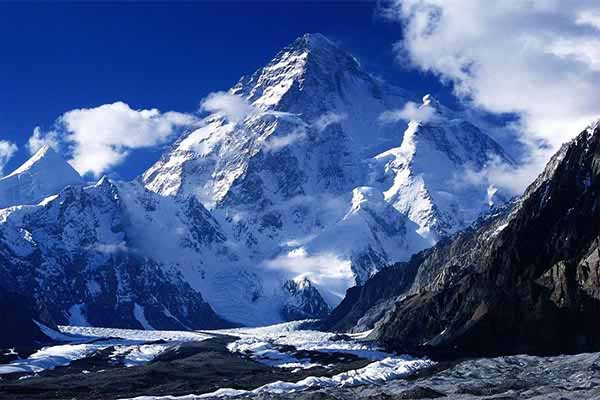
Book K2 base camp trek- 2023-24 with the No.1 Native k2 Trekking Company of Karakoram Pakistan in affordable prices. why to pay a heap to an agent, when we offer the same in just $1,850. Trek to k2 base camp is a....

K2 Gondogoro La Trek
The trek starts from Skardu, then to Shigar valley until Ali camp and cross the Gondogoro pass into Hushe valley and back to Skardu city in a circular way that is why it is also known as K2 Gondogoro La Circuit.K2 Gondogoro…….
Khosar Gang Expedition
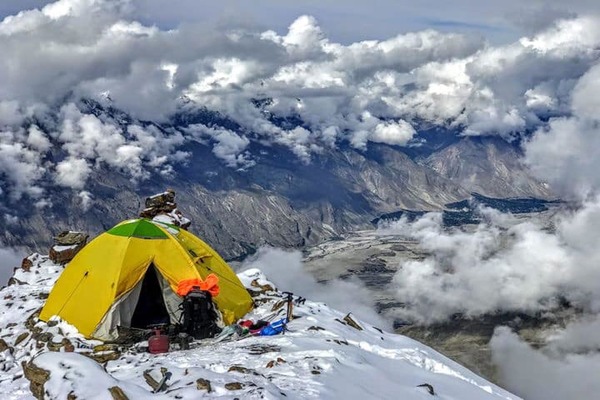
Khosar Gang Expedition (6000m) provides a panoramic view of the Karakoram mountains from the summit. you can view K2, Broad Peak, Rakaposhi, Spantik 7027m, Nanga Parbat 8000m, and hundreds of above ....
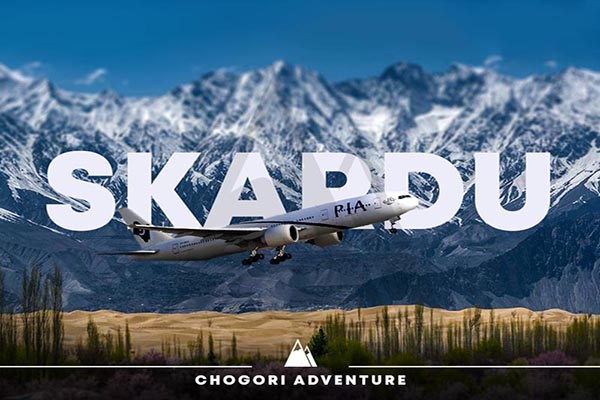
luxury Skardu Honeymoon Tour Packages By Air
Chogori Adventure the leading Native Tour operator of Skardu valley, offers 3 Days, 4 Days, 5 Days, 7 Days by air Skardu Honeymoon tour package..