English
 Arabic
 Chinese (Simplified)
 Czech
Czech Danish
 Dutch
Dutch French
  Georgian
  German
  Greek
Greek Italian
 Japanese
  Korean
 Latin
Latin  Persian
  Polish
  Portuguese
 Russian
 Spanish
 Turkish
Spantik Peak Expedition: Climb the Iconic Golden Peak 7027m in Pakistan’s Karakoram Range
Tours
Table of Contents
Introduction to Spantik Peak Expedition
What Makes Spantik Peak a Standout Climb
Spantik peak expedition stands out among mountaineering adventures in northern Pakistan. This golden peak expedition draws climbers from around the world with its accessible yet demanding route. At 7,027m, spantik 7027m offers a perfect entry into high-altitude climbing for those ready to tackle a 7,000m peak. The karakoram spantik climb combines stunning scenery with technical challenges that test skills without overwhelming beginners in the sport. Many choose this spantik climb because it sits in the heart of the karakoram range in Pakistan and provides views of giants like K2 and Nanga Parbat. The golden peak climb earns its name from the glowing ridge that lights up at dawn and dusk and creates a magical backdrop for the journey.
What sets this expedition apart is the blend of trekking and climbing. You start with a trek to spantik base camp through valleys filled with glaciers and rivers. Then the real spantik expedition Pakistan begins with acclimatization and summit pushes. Climbers often describe the southeast ridge spantik as forgiving compared to steeper routes on nearby peaks. Yet it demands respect with its ice fields and crevasse zones. The spantik golden pillar adds a dramatic element as you approach the final stretch. For anyone seeking a golden peak 7000m expedition that balances adventure and achievement, this one delivers lasting memories. K2 Trekking and Expedition handles the details on their website to make the process smooth from start to finish.
Why Choose K2 Trekking and Expedition for Spantik Peak Adventure
Local Expertise from Skardu Base
K2 Trekking and Expedition brings deep roots in Baltistan to every spantik peak expedition. Based in Skardu, they know the karakoram mountains like few others. Their team includes local guides who grew up in these valleys and understand weather patterns and terrain shifts. This local touch means better route choices during the trek to spantik and safer decisions on the climb spantik. They handle base camp logistics with precision from setting up tents to managing porters. High altitude porters from the area carry gear efficiently and share stories that enrich the experience.
With years in adventure tours, K2 Trekking and Expedition tailors each full expedition to fit group needs. They focus on the karakoram range in Pakistan and offer insights into peaks like spantik mountain. Their Skardu base allows quick access to supplies and jeep transport for the drive to Arandu. Climbers benefit from this setup as it cuts down delays and boosts readiness for the expedition to spantik.
Personalized Support and Safety Measures
K2 Trekking and Expedition puts climbers first with custom plans for the spantik peak climbing expedition. They assign an expedition leader who tracks progress and adjusts for altitude issues. Safety comes through regular health checks and oxygen supplies at higher camps. The team provides full expedition support including meals designed for energy at high altitude. Porters and cooks work together to keep the camp of spantik comfortable and functional.
This approach extends to visa help and arrival in Pakistan at Islamabad International Airport. They arrange hotel in Islamabad stays and briefings to ease into the adventure travel. For any climber joining the expedition group, this means peace of mind. K2 Trekking and Expedition stands ready to adapt if weather or health changes the expedition for any reason. Their commitment shows in positive feedback from past mountaineers who summited spantik with their backing.
Overview of Spantik Peak
Location and Height in the Karakoram Range
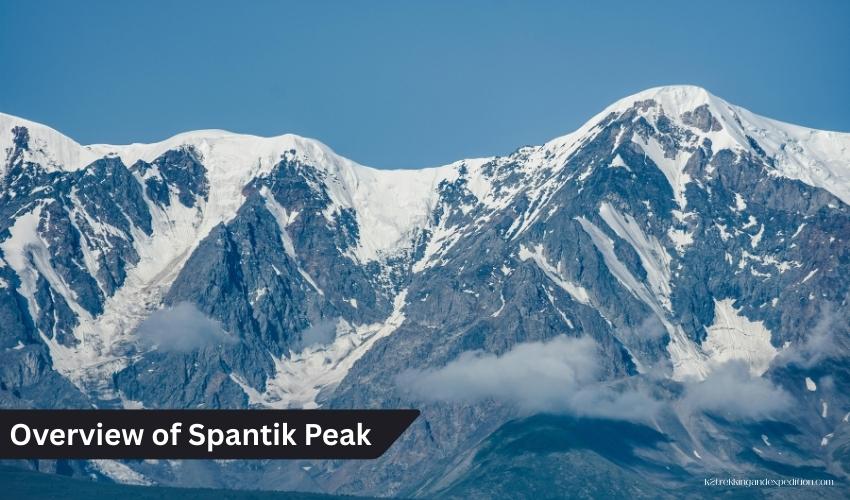
Spantik peak sits in the karakoram range, a vast chain of mountains in northern Pakistan. This peak in the karakoram range reaches 7,027m and draws attention for its position near the Chogolungma Glacier. The area falls under Gilgit-Baltistan, close to Skardu, which serves as a hub for expeditions. From Islamabad, you fly to Skardu to start the journey into these remote spots. The karakoram range in Pakistan holds some of the world’s highest peaks, including K2, making spantik a gateway for climbers exploring the region.
Access involves a jeep ride from Skardu to Arandu village, the launch point for the arandu spantik expedition. The location offers a mix of alpine meadows and rugged glaciers that define the trek. Spantik peak in Pakistan remains less crowded than neighbors like K2 base camp or Nanga Parbat, allowing a more intimate experience with nature.
Golden Peak Name and Visual Appeal
The name golden peak comes from the striking glow of its south east ridge at sunrise and sunset. This visual feature makes the golden peak expedition unforgettable for photographers and climbers alike. The spantik golden pillar, a prominent granite formation, catches light in a way that turns the mountain golden. During the karakoram spantik climb, this sight motivates teams as they push toward the summit.
Beyond the color, the appeal lies in panoramic views from the top. You see endless ice fields and distant peaks of the karakoram. The golden peak 7000m expedition highlights this beauty, especially along the trekking and climbing paths. Climbers often pause at spantik basecamp to admire the shifting hues before starting the ascent.

History of Spantik Peak Climbing
First Ascents and Key Milestones
Spantik peak saw its first recorded climb in 1955 by a German expedition. This group tackled the south east ridge and marked a milestone in mountaineering history. The peak in 1955 became known as an achievable 7,000m goal in the karakoram mountains. Over the years, various teams followed, refining the climbing route and adding to its reputation.
Key moments include dual ascents and younger climbers reaching the summit of spantik. Pakistani expeditions grew in the 1980s and 1990s, bringing local talent to the forefront. The Alpine Club of Pakistan played a role in promoting safe practices. These efforts turned spantik into a favored spot for first 7,000m peak attempts. Today, the history inspires new mountaineers to join a spantik peak expedition and trace those early paths.
The evolution shows how logistics improved from basic porters to organized full expedition setups. Each milestone built on the last, making the spantik climb more approachable while respecting its challenges.
Pakistani Expeditions and Local Contributions
Local climbers from Baltistan have shaped spantik expedition Pakistan since the early days. They provided key support to international teams and later led their own groups. Contributions include mapping safer paths across the Chogolungma Glacier and training high altitude porters. These efforts boosted the economy in Arandu village and surrounding areas.
Pakistani expeditions often partner with outfits like K2 Trekking and Expedition to handle permits and travel in Pakistan. Their knowledge of weather and terrain reduces risks on the southeast ridge spantik. Locals also share cultural insights during the trek, enhancing the overall adventure. This involvement has made spantik a symbol of national pride in mountaineering.
Technical Details of Spantik Climb
Climbing Route via Southeast Ridge
The climbing route via southeast ridge spantik starts from spantik base camp at around 4,300m. Teams cross the Chogolungma Glacier to reach camp 1 on the ridge. This section involves fixed ropes over crevasses and moderate snow slopes. From camp 1, the path steepens toward camp 2 at about 5,600m, where wind can pick up. Climbers use crampons and ice axes here to navigate the incline.
Camp 3 sits higher at roughly 6,300m and serves as the launch for summit day. The final push covers mixed terrain with some rock sections near the spantik golden pillar. Weather plays a big role, so teams watch for clear windows. The route suits alpine style climbing with support from porters carrying gear to base camp. Overall, this southeast ridge offers a straightforward yet engaging path for the spantik peak climbing expedition.
Descent follows the same line, allowing quick returns to lower altitudes. Proper acclimatization helps avoid issues on this demanding stretch.
Spantik Golden Pillar Challenges
The spantik golden pillar presents unique hurdles during the golden peak climb. This towering feature requires careful navigation around its base before the ridge ascent. Ice falls and seracs near it demand vigilance to avoid hidden dangers. Climbers face exposure on the pillar’s flanks, where gusts can challenge balance.
Technical skills come into play with rope work and belaying on steeper parts. The altitude adds fatigue, making each move deliberate. Teams often set fixed lines here for safety during the summit spantik attempt. Despite these tests, the pillar’s beauty rewards the effort with close-up views of its glowing rock.
Spantik Peak Expedition Itinerary
Place the day plan here as subheadings.
Day 1: Arrival in Islamabad
Location: Islamabad. Begin your journey by arriving at Islamabad International Airport. Transfer to a hotel for rest and a pre-expedition briefing.
Day 2: Fly to Skardu
Location: Skardu. Take a scenic flight from Islamabad to Skardu, weather permitting. Explore Skardu and prepare for the trek.
Day 3: Drive to Arandu
Location: Arandu. Drive from Skardu to Arandu, the starting point of the trek. Overnight stay in tents.
Day 4: Trek to Chogo Brangsa
Location: Chogo Brangsa. Start trekking from Arandu to Chogo Brangsa. Enjoy the beautiful landscape and camp overnight.
Day 5: Trek to Bolocho
Location: Bolocho. Trek from Chogo Brangsa to Bolocho (4-5 hours).
Day 6: Trek to Spantik Base Camp
Location: Spantik Base camp. Continue trekking through lush valleys and rugged terrains over the next few days. Reach Spantik Base Camp and set up for acclimatization.
Days 7-20: Acclimatization and Climbing Period
Location: Base Camp Climbing. Spend these days acclimatizing and preparing for the summit attempt. Climb Spantik Peak, enjoying the panoramic views from the summit.
Day 21: Descend to Base Camp
Location: Base Camp. Descend back to Base Camp, celebrating the successful climb.
Days 22-25: Return Trek to Arandu
Location: Arandu. Retrace your steps back to Arandu over the next few days. Enjoy the serene landscapes one last time.
Day 26: Drive to Skardu
Location: Skardu. Drive from Arandu to Skardu. Rest and relax in the hotel.
Day 27: Fly to Islamabad
Location: Islamabad. Fly back to Islamabad, weather permitting. Transfer to the hotel for debriefing.
Day 28: Departure
Location: Go to Home. Transfer to Islamabad International Airport for your departure.
Pre-Trek Preparations in Islamabad and Skardu
The spantik expedition itinerary kicks off with solid prep in Islamabad and Skardu. After landing at Islamabad International Airport, teams get a briefing on the full expedition. This covers gear checks and health tips for high altitude. The next day, a flight to Skardu opens up views of the karakoram. In Skardu bazaar, you pick up last items and meet the expedition leader. K2 Trekking and Expedition arranges all this to start the expedition smoothly.
These early days build team bonds and allow adjustment to Pakistan’s rhythm. Weather can delay flights, so flexibility matters. Once in Skardu, focus shifts to the drive to Arandu and the trek ahead.
Trek to Spantik Base Camp
The trek to spantik base camp forms the backbone of the arandu spantik expedition. Starting from Arandu village, the path winds along rivers and through green fields. Porters load up jeeps for the initial drive, then shoulder packs for the walk. You cross bridges over rushing waters and climb gentle slopes toward Brangsa camp. The air fills with mountain scents as you gain altitude.
Next stretches lead to Bolocho and beyond, crossing the Chogolungma Glacier. Glacial moraines test footing, but the scenery of towering peaks keeps spirits high. Reaching spantik basecamp feels like a win, with tents pitched amid snow and rock. This phase takes 4-6 days and sets the stage for climbing. The journey builds stamina and offers glimpses of local life in remote spots. It’s where the adventure truly begins for the spantik peak expedition.
Climbing and Summit Period
The climbing and summit period ramps up the spantik climb intensity. From spantik base camp, teams rotate to higher camps for acclimatization. Camp 1 involves glacier travel with ropes to handle crevasses. Days blend rest and short climbs to adapt to thinning air. The expedition offers time to practice skills on ice walls near the south east ridge.
Pushing to camp 2 and camp 3 brings closer to the summit spantik. Weather windows dictate the final bid, often starting pre-dawn from high camp. The southeast ridge spantik demands steady pacing amid wind and cold. Reaching the top rewards with 360-degree views of the karakoram range. Descent requires care to avoid slips on tired legs. This core phase lasts 14 days and defines the golden peak expedition. Success hinges on team work and personal grit in this alpine setting.
Descent and Return Journey
The descent and return journey wraps up the spantik peak expedition with a mix of relief and reflection. From the summit, teams drop back to base camp swiftly for recovery. Packing up follows, with porters aiding the load out. The trek back retraces to Arandu over 4 days, now familiar but downhill easier.
A jeep ride returns to Skardu for hot meals and rest. The flight to Islamabad allows debriefs on the adventure. Final transfers end at the airport, closing the loop.
| Day | Location | Activities |
|---|---|---|
| 1 | Islamabad | Arrival at airport, hotel transfer, briefing |
| 2 | Skardu | Scenic flight, explore town, trek prep |
| 3 | Arandu | Drive from Skardu, tent overnight |
| 4 | Chogo Brangsa | Trek from Arandu, camp in landscape |
| 5 | Bolocho | Trek 4-5 hours from Chogo Brangsa |
| 6 | Spantik Base Camp | Trek through valleys, set up camp |
| 7-20 | Base Camp Climbing | Acclimatize, prepare, summit climb |
| 21 | Base Camp | Descend from summit, celebrate |
| 22-25 | Arandu | Return trek, enjoy views |
| 26 | Skardu | Drive back, hotel rest |
| 27 | Islamabad | Fly back, debrief at hotel |
| 28 | Home | Airport transfer for departure |
Spantik Base Camp Trek
Route from Arandu to Base Camp
The spantik base camp trek kicks off in Arandu village after a bumpy jeep drive from Skardu. This marks the real start of the arandu spantik expedition where porters load up and the group sets out on foot. The path follows the riverbank at first and crosses wooden bridges over clear streams. You gain elevation slowly to help with acclimatization and pass small settlements along the way. The route winds through narrow gorges and opens into wider valleys dotted with wildflowers in summer.
Next comes the push across moraine fields toward Brangsa camp. Here the terrain gets rockier with loose stones underfoot. Teams often stop for lunch amid boulders before continuing to Bolocho. The Chogolungma Glacier appears on the horizon and signals the approach to spantik basecamp. Crossing it requires care with ropes in spots to avoid crevasses. The full trek takes 4-6 days depending on pace and weather. It builds excitement for the karakoram spantik climb ahead. By the time you reach base camp at 4,300m, the golden peak looms large and sets the stage for the climb spantik.
This section of the golden peak expedition tests endurance but rewards with fresh mountain air and team camaraderie. K2 Trekking and Expedition arranges porters to handle heavy loads so climbers focus on the path.
Landscapes Along the Trek
Landscapes along the spantik base camp trek shift from lush greens to icy whites. Early on near Arandu, meadows burst with color and rivers carve through the valley floor. As you trek to spantik, the views expand to include distant snow-capped peaks. The Chogolungma Glacier dominates later stages with its blue ice cracks and towering seracs.
Wildlife spots add charm like birds soaring overhead or goats on rocky slopes. Sunsets paint the scene in warm tones especially near the spantik golden pillar. These sights make the golden peak 7000m expedition more than just a climb. They connect you to the raw beauty of the karakoram range.
Preparation for Spantik Expedition Pakistan
Required Experience for Climbers
Climbers eyeing a spantik expedition Pakistan need solid background in mountaineering. Prior time at high altitude helps like treks above 5,000m or climbs on smaller peaks. Basic skills in using crampons and ice axes prove key for the southeast ridge spantik. Teams look for folks who handle cold nights and long days without issue.
Experience with glacier travel counts too since the route crosses the Chogolungma Glacier. Many successful mountaineers start with easier 6,000m peaks before this one. The spantik climb suits those fit enough for multi-week efforts. K2 Trekking and Expedition screens participants to match group levels.
Essential Gear and Packing List
Packing for the spantik peak expedition calls for smart choices in gear. Start with warm layers like down jackets and thermal base tops for high altitude chills. Sturdy boots with crampon compatibility handle the trek and climb. An ice axe and harness form the core technical kit along with helmets for rockfall zones.
Don’t forget sleeping bags rated to -20 degrees and a good tent if not provided. Sunglasses and sunscreen protect against glare on the glacier. Personal items include headlamps with extra batteries and water bottles for hydration. For the golden peak climb, pack energy snacks and a first-aid kit with altitude meds.
K2 Trekking and Expedition supplies group gear like ropes and stoves but climbers bring their own clothes and tools. This setup keeps weights down for porters during the trek to spantik base camp. Double-check lists before arrival in Pakistan to avoid last-minute runs in Skardu bazaar.
Cost and Dates for Spantik Peak Expedition
Fixed Departure Schedules
Fixed departures for the spantik peak expedition run in summer when weather favors the karakoram mountains. K2 Trekking and Expedition sets dates from July to September to catch clear skies. Slots fill fast so early booking locks in spots. The expedition starts with groups gathering in Islamabad before heading north.
Schedules include buffers for flight delays between Islamabad and Skardu. Each date aligns with optimal conditions for the summit spantik push. Climbers pick based on their timelines and availability status.
Pricing Breakdown
Pricing for the spantik peak climbing expedition covers core needs at $5,500 to $5,700 per person. This includes domestic flights and jeep transports to Arandu. Guide fees and porter wages factor in along with base camp logistics like meals and tents. Permits from the Alpine Club of Pakistan add to the total.
Higher costs apply to later dates due to seasonal shifts. The price when you book stays fixed even if groups grow. K2 Trekking and Expedition offers value through full expedition support without hidden extras.
| Date Range | Status | Price in USD |
|---|---|---|
| 3 July – 1 August | Guaranteed | $5,500 |
| 18 July – 15 August | Limited Seats | $5,500 |
| 26 July – 24 August | Guaranteed | $5,500 |
| 3 August – 28 August | Available | $5,500 |
| 12 August – 10 September | Available | $5,700 |
Services in Spantik Peak Climbing Expedition
Included Logistics and Support
Included services in the spantik peak climbing expedition handle the heavy lifting for climbers. K2 Trekking and Expedition covers airport pickups at Islamabad International Airport and hotel stays there. Domestic flights to Skardu come next with backups for weather holds. Jeep drives to Arandu village kick off the ground phase.
On the trek porters carry group gear and set up camps along the way. Base camp logistics include kitchens with cooks preparing hot meals daily. Guides lead the climbing route with fixed ropes on tricky sections. High altitude porters assist up to camp 3 for summit bids. The expedition leader oversees health and pace for the whole group. This full expedition setup lets climbers focus on the spantik 7027m goal. Back in Skardu post-trek, hotel rest and flights to Islamabad wrap things up. All permits and entry fees fall under included items too.
Excluded Items to Plan For
Excluded items in the spantik expedition itinerary leave room for personal choices. International flights to Pakistan stay on your tab along with visa costs. Travel insurance for evacuation or trip cancellation needs separate arrangement. Personal gear like boots and harnesses must come from home.
Extra hotel nights beyond the plan or single room supplements add fees. Tips for porters and guides come at the end based on service. Any custom add-ons like satellite phones fall outside the base price.
| Included | Excluded |
|---|---|
| – Airport transfers and hotel in Islamabad – Flights Islamabad-Skardu round trip – Jeep to Arandu and back – Porters and high altitude support – Base camp meals and tents – Guides and expedition leader – Permits | – International airfare – Pakistan visa – Personal insurance – Climbing gear (boots, axe, etc.) – Extra hotel stays – Staff tips – Personal expenses |
Summit Views and Rewards of Climbing Spantik Peak
Panoramic Sights from the Top
Panoramic sights from the summit of spantik stretch across the karakoram range in Pakistan. At 7,027m you spot K2 and Nanga Parbat on clear days amid a sea of white peaks. The view sweeps over glaciers and valleys far below. The spantik golden pillar glows from this angle adding to the drama.
Sunrise summits bring golden hues over the landscape. Clouds part to reveal endless horizons that make the effort worthwhile. These moments define the golden peak expedition for many.
Personal Achievements for Mountaineers
Personal achievements for mountaineers on the spantik climb run deep. Bagging a 7,000m peak like spantik 7027m boosts confidence for bigger goals. The journey teaches resilience through altitude challenges and team dynamics. Many see it as their first 7,000m peak marking a step up in skills.
The summit spantik stands as a badge of perseverance. Sharing stories post-expedition inspires others in the mountaineering world. This golden peak climb shapes character beyond the physical win.
Frequently Asked Questions
1. Is Spantik Peak a difficult climb?
Spantik Peak sits at 7,027m and ranks as a challenging but approachable 7,000m climb. The southeast ridge demands solid glacier skills, fixed rope work and stamina for long summit days. Many climbers with previous 6,000m experience find it manageable with good support. From my years organizing trips, it feels demanding yet rewarding for prepared mountaineers.
2. How much does it cost to climb Spantik?
The full spantik peak expedition costs between $5,500 and $5,700 per person for 2026 departures. This covers flights, jeeps, porters, meals, guides and permits. Prices stay fixed once you book. Extra personal gear or tips add a bit more.
3. How long does it take to climb Spantik?
The complete spantik peak expedition runs 28 days from arrival in Islamabad to departure. Trek to base camp takes 5-6 days, climbing and acclimatization use 14 days and descent plus return takes the rest. Weather can shift the timeline slightly.
4. What’s the best time to climb Spantik Peak?
July through September offers the best window for the spantik peak expedition. These months bring stable weather, clear skies and warmer conditions on the glacier. Early July often sees less crowds while late August carries more risk of early snow.
5. Do I need to have mountaineering experience?
Yes, prior mountaineering experience helps a lot on the spantik peak expedition. You should know how to use crampons, ice axes and walk roped on glaciers. Previous high-altitude treks or peaks around 6,000m prepare you well. Beginners face a steep learning curve here.
6. How fit do I need to be for this Spantik Peak Expedition?
You need strong physical fitness for the spantik peak expedition. Expect 6-8 hour trekking days at altitude plus summit pushes with heavy packs. Regular cardio, strength training and hill walks build the required endurance. Most fit climbers adapt after proper acclimatization.
7. How difficult is the Spantik Expedition?
The spantik expedition ranks as moderately difficult among 7,000m peaks. The technical sections stay manageable with guide support but altitude fatigue and weather test everyone. It suits climbers ready for sustained effort over weeks. Compared to steeper Karakoram routes, it offers a balanced challenge.
8. What is the max altitude?
The maximum altitude on the spantik peak expedition reaches 7,027m at the summit. Base camp sits around 4,300m while higher camps go up to 6,300m. The jump in height requires careful acclimatization to avoid problems.
9. What is included in the expedition package?
The package includes airport transfers, domestic flights, jeep rides, porters, high-altitude support, meals at base camp, tents, guides, permits and expedition leader. K2 Trekking and Expedition handles full logistics from start to finish.
10. Is there electricity and wifi at Spantik base camp?
No electricity or wifi exists at spantik base camp. Teams rely on solar chargers for devices and satellite phones for emergencies. The remote location keeps things simple and focused on the climb.
Conclusion
Final Thoughts on Spantik Peak in Pakistan
Spantik peak in Pakistan offers a true taste of karakoram adventure. The spantik peak expedition blends trek and climb into one rewarding package. From Arandu’s start to the summit views it tests and thrills in equal measure. Climbers leave with stronger bonds and sharper skills honed on the southeast ridge spantik.
K2 Trekking and Expedition makes the dream real with their local know-how and steady support. This golden peak 7000m expedition lingers in memory long after the return home. For anyone drawn to northern Pakistan’s heights spantik delivers a solid path to explore them. The karakoram spantik climb remains a favorite for good reason among global mountaineers.

You may also like
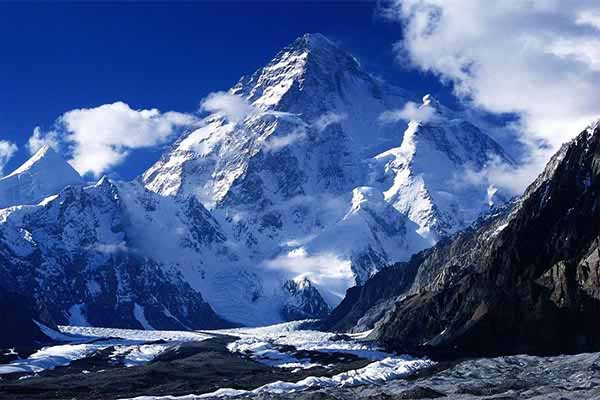
K2 Base Camp Trek
Book K2 base camp trek- 2023-24 with the No.1 Native k2 Trekking Company of Karakoram Pakistan in affordable prices. why to pay a heap to an agent, when we offer the same in just $1,850. Trek to k2 base camp is a....

K2 Gondogoro La Trek
The trek starts from Skardu, then to Shigar valley until Ali camp and cross the Gondogoro pass into Hushe valley and back to Skardu city in a circular way that is why it is also known as K2 Gondogoro La Circuit.K2 Gondogoro…….
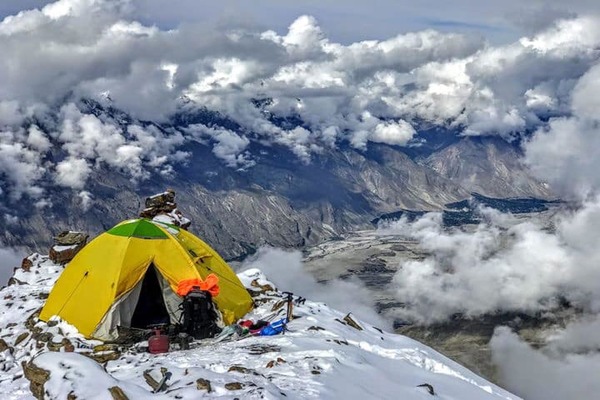
Khosar Gang Expedition
Khosar Gang Expedition (6000m) provides a panoramic view of the Karakoram mountains from the summit. you can view K2, Broad Peak, Rakaposhi, Spantik 7027m, Nanga Parbat 8000m, and hundreds of above ....
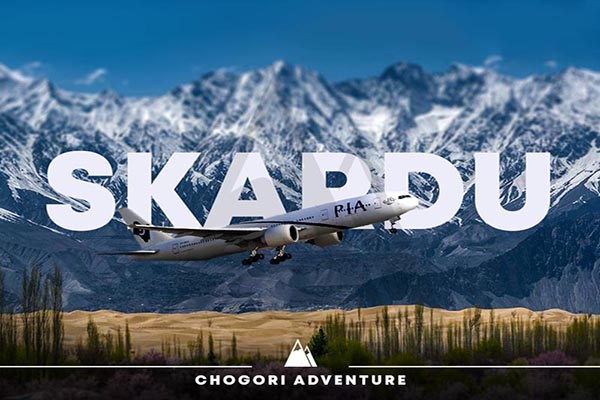
luxury Skardu Honeymoon Tour Packages By Air
Chogori Adventure the leading Native Tour operator of Skardu valley, offers 3 Days, 4 Days, 5 Days, 7 Days by air Skardu Honeymoon tour package..